
Growing guide · Vegetable
How to Grow Turnips
Days to maturity50 days
Spacing4 in
SeasonCool-season
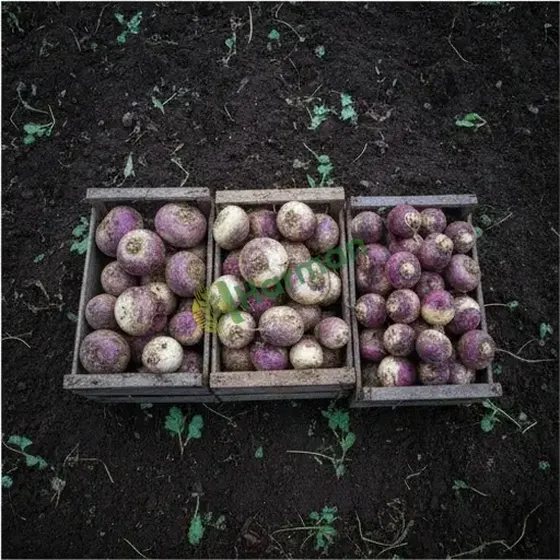
Turnips are a fast-maturing, cool-season root vegetable in the cabbage family, prized for both their crisp, mild roots and their tender, edible greens. Home gardeners across the US grow them because they mature quickly, tolerate frost, and thrive in the cool weather of early spring and fall when many other crops struggle. A single planting can supply two harvests from one plant, since the leafy tops are as useful in the kitchen as the roots below.
When and how to plant
Turnips are a quick cool-season crop that is direct sown right where it will grow, because the roots do not transplant well. Sow seeds about a half inch deep in loose, well-drained soil in full sun, planting in very early spring as soon as the ground can be worked and again in late summer for a fall crop. Scatter or space seeds an inch apart in rows about 12 to 18 inches apart, then thin the seedlings to stand 3 to 4 inches apart once they have a few true leaves. A loose, stone-free bed enriched with compost gives the roots room to swell into smooth, round shapes, and a near-neutral soil pH suits them best.
Care
Keep the soil evenly moist with about an inch of water per week, since steady moisture produces tender, mild roots while dry spells leave them woody and sharp-tasting. Turnips are light feeders that grow well in soil amended with compost before planting, so work in organic matter at the start and side-dress with a little more midway through the season if growth seems slow. A thin layer of mulch helps hold moisture, keep the soil cool, and hold down weeds, though you should weed carefully by hand near the shallow roots to avoid disturbing them. Because turnips grow fast, keeping them unstressed and consistently watered is the main task from sowing to harvest.
Common problems
Common pests include flea beetles that chew tiny holes in young leaves, aphids, cabbage root maggots, and various caterpillars, while damp conditions can bring on root rots and leaf-spot diseases. The best prevention is rotating turnips and their cabbage-family relatives to a new bed each year, keeping the garden free of old crop debris, and using lightweight floating row covers over young plants to block insects. Providing good drainage and not overcrowding the plants improves airflow and further reduces disease pressure.
Harvest
Harvest turnip roots when they reach 2 to 3 inches across, usually about 30 to 60 days after sowing, since smaller roots are sweeter and more tender while oversized ones turn woody. Pull them by loosening the soil and lifting gently, and clip young greens anytime once the leaves are a few inches tall. Store the roots with the tops trimmed off in a cold, humid spot such as the refrigerator crisper, where they keep for several weeks, and use the greens within a few days.
Popular Turnips varieties to grow
Turnip varieties vary in root shape, top quality, speed to harvest, and whether they are grown mainly for roots, greens, or both. Most home gardeners do best with quick, mild-rooted types plus one good variety for greens.
| Variety | Type | Days | Notes | Best for |
|---|---|---|---|---|
| Purple Top White Globe | dual-purpose, heirloom | 50-60 | The classic American turnip with white roots topped by purple shoulders. It is widely grown for both roots and greens and remains one of the most familiar varieties. | all-purpose home garden use |
| Hakurei | salad turnip, hybrid | 35-45 | Hakurei is a smooth white Japanese turnip prized for very mild, crisp roots and tender greens. It is usually harvested small and young. | fresh eating, quick spring and fall crops |
| Tokyo Cross | salad turnip, hybrid | 30-40 | A fast, uniform white turnip with sweet, fine-textured roots. It is one of the best choices for gardeners who dislike strong turnip flavor. | salads, rapid harvests |
| Golden Ball | yellow, heirloom | 55-65 | An old yellow-fleshed turnip with a richer look and traditional flavor. Roots are round and best harvested before they become oversized. | roasting, heirloom gardens |
| White Lady | long white, hybrid | 35-45 | A smooth, cylindrical white turnip with mild flavor and quick maturity. Its shape makes it stand out from globe types and easy to harvest at baby size. | fresh market-style harvests, quick crops |
| Seven Top | greens type, heirloom | 40-50 | Grown primarily for abundant leafy tops rather than large roots, Seven Top is a long-standing Southern favorite. It gives steady greens production in cool weather. | turnip greens |
Variety notes are general guidance for US home gardens; local performance varies by climate and season. Availability differs by seed supplier.
Growing Turnips in containers
Turnips are well suited to containers and mature quickly. Use a pot at least 8 to 10 inches deep with drainage and loose, stone-free potting mix, spacing roots about 3 to 4 inches apart. Keep the soil evenly moist, fertilize lightly with a balanced fertilizer, and choose small salad or early globe types for pots.
Watering & feeding Turnips
Give about 1 inch of water per week, including rainfall, and increase during unusual heat or dry wind. Turnips have average water needs, but inconsistent moisture can make roots woody or sharply flavored. Water at the base often enough to keep the root zone evenly moist, especially while roots are enlarging. Mulch can help during warm weather, though keep it light around young seedlings. Wilting, tough greens, and cracked or coarse roots can follow drought stress, while standing water can cause yellowing and root rot.
Turnips are light to moderate feeders and grow well in loose soil amended with compost before sowing. Phosphorus and potassium support root growth, while excess nitrogen can favor tops over roots. Incorporate compost before planting and apply fertilizer only if the soil is poor or a soil test recommends it. A light side-dressing can help if leaves are pale or growth stalls early. Avoid fresh manure and heavy nitrogen applications, which can cause forked or poorly formed roots. Water promptly after sowing so the small seeds germinate evenly. Harvest roots young, and maintain moisture during warm weather to preserve tenderness.
Saving Turnips seeds
Open-pollinated turnips can come true from seed, whereas F1 hybrids do not, and turnips may cross with compatible Brassica rapa crops such as certain Asian greens. Turnips are biennial, so select the best roots, overwinter them in the garden or store and replant them, then allow second-year pods to dry and turn tan. Harvest stalks before pods split, dry them under cover, thresh the seeds, and store them cool, dark, and dry. Turnip seed generally lasts about 4 to 5 years.
Turnips companion plants
Grow turnips with peas, bush beans, onions, and lettuce. Legumes can contribute nitrogen, onions add crop diversity, and lettuce matures quickly before turnip foliage becomes large. Avoid planting turnips near other brassicas in the same bed if pest pressure or clubroot has been a problem, because they share flea beetles, cabbage worms, aphids, and diseases.
When to plant Turnips near you
Get the exact start-indoors, transplant, and fall planting dates for Turnips at your location.
Frequently asked questions about Turnips
When should I plant turnips?
Turnips grow best in cool weather, so sow them in early spring or late summer for fall harvest. Fall crops are often sweeter and less stressed by heat.
How long do turnips take to grow?
Many turnips mature quickly, often in 35 to 60 days depending on whether you want small roots or larger ones. Greens can be picked even earlier.
How much sun do turnips need?
Turnips prefer full sun but will tolerate partial shade. About 6 hours of sun usually gives the best root growth.
Why are my turnips all leaves and no roots?
Too much nitrogen, overcrowding, or warm weather can lead to lots of leaves and poor root development. Thin seedlings early and avoid overfeeding.
How do I know when turnips are ready to harvest?
Harvest most turnips when they are small to medium and still tender, often around 2 to 3 inches across. Large roots can become woody or strong flavored.
General guidance for US home gardens. Reference figures are typical values; your exact timing depends on your local frost dates and variety. Page updated Sep 18, 2026.