
Growing guide · Vegetable
How to Grow Spinach
Days to maturity45 days
Spacing4 in
SeasonCool-season
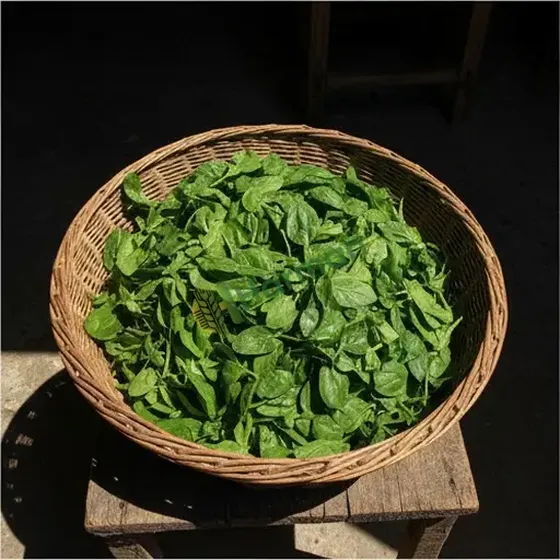
Spinach is a nutritional powerhouse that thrives in cool weather. Sown early or late, it delivers tender leaves when little else is growing.
When and how to plant
Spinach is very cold-hardy and grows best in cool soil, so sow it early, well before the last frost per the dates above, and again for fall. It bolts quickly once the days turn hot.
Care
Keep the soil moist and rich, and give it sun in spring and fall. In summer heat it runs to seed, so time plantings for the cool ends of the season.
Common problems
Leaf miners and downy mildew are the common problems. A row cover keeps miners off, and spacing improves airflow.
Harvest
Cut outer leaves as they reach a usable size, or take the whole plant. Harvest before hot weather triggers bolting.
Popular Spinach varieties to grow
Choose spinach by bolt resistance, cold tolerance, and leaf type, since smooth and savoyed leaves behave differently in the kitchen and garden. In many US gardens, the best varieties are the ones that resist bolting longest in spring and germinate well for fall crops.
| Variety | Type | Days | Notes | Best for |
|---|---|---|---|---|
| Bloomsdale Long Standing | savoy, heirloom | 43-50 | A classic deeply crinkled spinach with strong flavor and good cold tolerance. It is known for staying productive a bit longer than older strains in spring. | spring and fall crops, traditional spinach flavor |
| Space | smooth leaf, hybrid | 40-48 | Space is a widely grown smooth-leaf spinach with quick growth and easy washing. It performs well for baby leaf or full-size harvests. | salads, baby leaf, succession planting |
| Tyee | savoy, hybrid | 45-53 | Tyee is valued for dark green leaves, good texture, and strong bolt resistance. It has been a dependable mainstay for home and market gardens. | main-season spinach, repeated sowings |
| Giant Noble | smooth leaf, heirloom | 43-50 | This old variety produces very large, broad leaves with a mild flavor. Plants are vigorous and especially useful when bigger leaves are desired. | cooking, large-leaf harvests |
| Baby's Leaf | baby leaf, hybrid | 21-40 | Bred for dense plantings and uniform young leaves, this type is commonly used for baby spinach. It is quick and easy for cut-and-come-again harvests. | baby greens, salad mixes |
| Corvair | semi-savoy, hybrid | 40-48 | Corvair is a dark green semi-savoy spinach known for strong growth and good garden adaptability. It is often chosen for spring and fall sowings alike. | all-purpose home garden use |
Variety notes are general guidance for US home gardens; local performance varies by climate and season. Availability differs by seed supplier.
Growing Spinach in containers
Spinach grows well in containers during cool weather. Use a container at least 6 to 8 inches deep with drainage holes and fertile, moisture-retentive potting mix. Keep the mix consistently moist, feed lightly if plants will remain for several weeks, and choose slow-bolting varieties for spring plantings.
Watering & feeding Spinach
Supply about 1 inch of water per week, increasing slightly during dry, windy periods. Spinach is moderately thirsty and does best when its shallow roots do not dry out. Water at the soil level with enough frequency to keep the upper root zone evenly moist, preferably in the morning. Use mulch where practical, watch containers closely, and treat wilting as a sign of dryness while yellow foliage and persistently wet soil may signal overwatering.
Spinach is a moderate feeder that benefits from compost and fertile soil prepared before sowing. Nitrogen supports leaf production, but adequate overall soil fertility and good drainage are also important. Work compost into the bed before planting and apply a light nitrogen-containing feeding only if soil is low in fertility. For a longer harvest period, side-dress lightly after the first major picking, avoiding heavy nitrogen applications. Keep spinach shaded from intense late-season heat when possible. Water promptly after harvest to help new leaves regrow.
Saving Spinach seeds
Save seed from open-pollinated spinach only, since F1 hybrids do not come true, and keep varieties isolated because spinach is wind-pollinated. Spinach plants are male or female, so leave enough plants of both sexes until female plants have dry, brown seed clusters. Strip off the dry clusters, thresh and clean them, dry them fully indoors, and store cool and dry for roughly 3 to 5 years.
Spinach companion plants
Good companions for spinach include radishes, lettuce, peas on a trellis, and flowering cilantro or dill nearby. Radishes make efficient use of space during spinach's cool-season growth, and flowering herbs can support beneficial insects that prey on aphids. Avoid placing spinach tightly beside mature fennel or large warm-season crops, because their shade and root competition conflict with spinach's shallow-rooted, cool-season habit.
When to plant Spinach near you
Get the exact start-indoors, transplant, and fall planting dates for Spinach at your location.
Frequently asked questions about Spinach
When should I plant spinach?
Plant spinach in early spring or late summer for fall harvest. It prefers cool weather and often germinates poorly in hot soil.
How long does spinach take to grow?
Spinach is usually ready in about 35 to 50 days, though baby leaves can be harvested earlier. Growth is fastest in cool, mild weather.
How much sun does spinach need?
Spinach grows in full sun during cool weather but also does well with partial shade. In warmer areas, some afternoon shade helps extend the harvest.
How far apart should spinach be spaced?
Space spinach about 3 to 6 inches apart for leaf harvest, or a bit wider for larger plants. Proper thinning improves airflow and leaf size.
Can spinach grow in containers?
Yes, spinach grows well in containers and raised beds. Use a wide pot and keep the soil evenly moist for tender leaves.
Why is my spinach bolting so fast?
Spinach bolts in response to warming temperatures and longer days. Spring sowings need to be early, and fall crops often last much longer.
General guidance for US home gardens. Reference figures are typical values; your exact timing depends on your local frost dates and variety. Page updated Sep 18, 2026.