
Spinach Pests & Diseases
Spinach, a member of the goosefoot family alongside beets and chard, is grown in cool weather and its tender leaves attract leaf-tunneling and sap-feeding insects. The two challenges home gardeners meet most often are spinach leafminer damage in spring and downy mildew during cool, wet, crowded conditions.
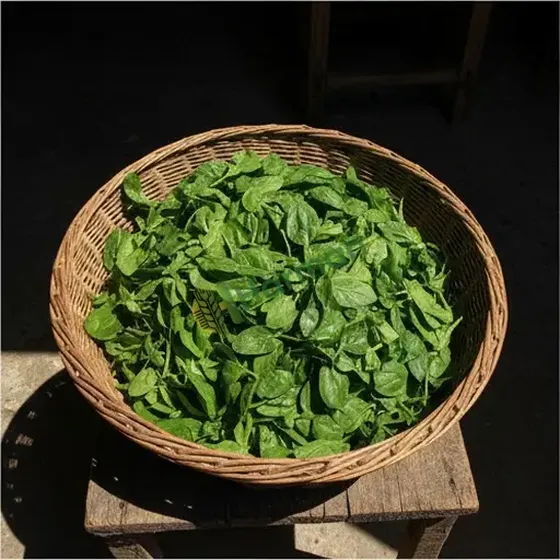
Common Spinach pests
The signature pest is the spinach leafminer (Pegomya hyoscyami), whose gray adult flies lay rows of small white eggs on leaf undersides, and whose larvae tunnel inside the leaf to make winding pale trails that swell into papery brown blotches. Aphids, especially the green peach aphid, cluster on undersides and new growth, causing curling and sticky honeydew, and they spread mosaic viruses. Flea beetles chew tiny round shot holes in seedlings, while caterpillars such as beet armyworm and cabbage loopers eat larger ragged holes. Slugs and snails rasp holes and leave slime trails in damp beds, and rabbits, deer, and groundhogs will graze whole plants down to the crown.
Common diseases
Downy mildew (blue mold) is the most damaging disease, showing pale yellow blotches on the upper leaf surface with grayish to purple fuzzy growth on the underside during cool humid weather. White rust (Albugo occidentalis) produces white blister-like pustules on leaf undersides with yellow spots above. Cercospora and anthracnose leaf spots appear as small circular tan spots with darker margins, sometimes drying to holes. Fusarium wilt causes yellowing, stunting, and one-sided wilting from soilborne fungus, damping-off collapses seedlings at the soil line, and aphid-spread mosaic viruses (spinach blight) cause mottled, yellowed, distorted, stunted leaves.
Prevention
Rotate so spinach, beets, and chard do not return to the same bed for about three years, and choose varieties bred for downy mildew resistance when available. Space plants and thin seedlings to open the canopy for airflow, and water at the base in the morning rather than overhead so leaves dry quickly. Plant early in the cool season to stay ahead of summer pests, keep the bed weeded of related weeds like lamb's quarters that host the same problems, and remove and discard crop debris and mined or spotted leaves promptly to reduce carryover.
Organic control
Cover seedbeds with floating row covers at planting to exclude leafminer flies, flea beetles, and egg-laying moths, since spinach needs no pollinators and can stay covered. Scout leaf undersides and crush the rows of white leafminer eggs by hand, and pick off and destroy any mined leaves before larvae mature. For aphids, knock colonies off with a water spray and use insecticidal soap or neem on the undersides as needed, and support natural enemies such as lady beetles, lacewings, and parasitic wasps. Treat caterpillars with Bt while they are small, use an iron phosphate bait for slugs, and where downy mildew or white rust pressure is high a copper product used preventively can help. Always read and follow the product label for any spray or bait.
Scouting & monitoring
Begin checking at emergence for flea beetle shot holes, then scout leaf undersides weekly through the cool season for the leafminer's white egg rows and the first pale tunnels so you can remove them before they blister. Watch aphid populations on new growth and inspect for yellow blotches with fuzzy underside growth during stretches of cool, damp, cloudy weather, which favor downy mildew. Look for slug slime and ragged night feeding after rain, and note any stunted, mottled, or one-sided wilting plants that signal virus or Fusarium.
Tips
Combine floating row covers with a downy mildew resistant variety and open spacing, and you will prevent most spinach problems without sprays. Harvest leaves promptly and pull plants once they bolt, since old, crowded, stressed foliage is what leafminers and mildew exploit.
General home-garden IPM guidance, focused on prevention and least-toxic control. Always read and follow the product label for any pesticide, including organic products. Page updated Sep 18, 2026.