
Spinach Nutrition & Uses
Spinach is a tender leafy green used both fresh and cooked in many US dishes. It appears in salads, omelets, pastas, soups, smoothies, and simple sauteed sides.
Nutritional profile
According to USDA FoodData Central, raw spinach is very high in water and low in calories, with fiber and small amounts of protein. It contains vitamin K, folate, vitamin A compounds, vitamin C, iron, magnesium, and potassium.
In the kitchen
Spinach can be eaten raw, wilted, sauteed, steamed, or stirred into soups and sauces. It works well in salads, quiches, lasagna, scrambled eggs, grain bowls, and creamy dips.
Choosing & preparing
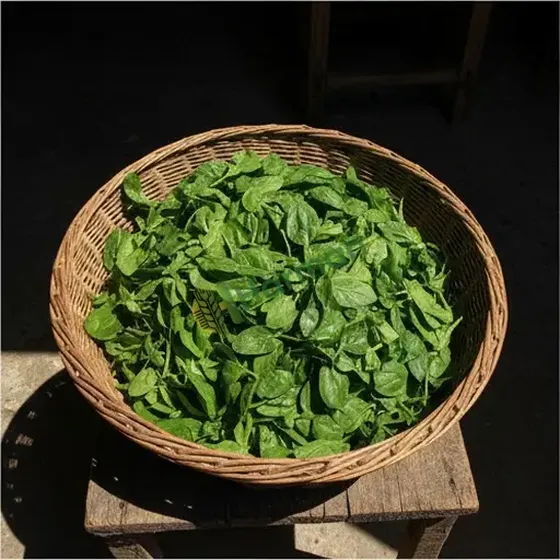
Look for crisp, deep green leaves with fresh stems. Avoid bunches or boxes with yellowing, sliminess, bruising, or a sour smell.
Flavor pairings
Spinach pairs well with garlic, lemon, nutmeg, cream, olive oil, mushrooms, onions, eggs, bacon, chickpeas, feta, goat cheese, and Parmesan. It also fits easily into tomato and pasta dishes.
Tips
Spinach cooks down quickly, so start with more than you think you need. Wash gritty leaves thoroughly, and dry them well for salads.
General food-composition information based on USDA FoodData Central. This is not medical or dietary advice; for personal guidance, consult a registered dietitian or your doctor. Page updated Sep 18, 2026.