
Growing guide · Vegetable
How to Grow Sweet Potatoes
Days to maturity100 days
Spacing12 in
SeasonWarm-season
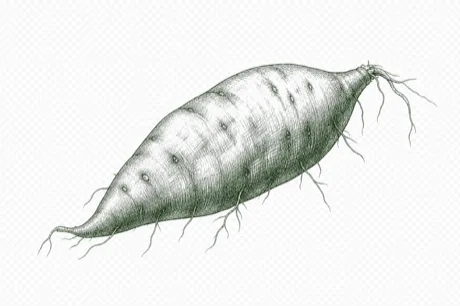
Sweet potato (Ipomoea batatas) is a warm-season, frost-tender vine grown for its sweet, starchy storage roots. Home gardeners across the southern and central United States value it because it thrives in summer heat, tolerates poor and sandy soils, and stores well for months after harvest. Gardeners in cooler northern regions can succeed too by choosing shorter-season varieties and giving the crop a warm start.
When and how to plant
Sweet potatoes are grown from slips, which are rooted sprouts pulled from a mature root, rather than from seed. Wait to plant until all danger of frost has passed and the soil has warmed to at least 65 degrees Fahrenheit, usually two to three weeks after your last spring frost. Set slips 12 to 18 inches apart in rows 3 to 4 feet apart, planting them deep enough to bury the lower stem and leaving the top leaves above the surface. Choose a spot in full sun with loose, well-drained sandy loam; raised beds or mounded ridges help the roots size up and make harvest easier.
Care
Keep the soil evenly moist for the first few weeks while the slips root, then water deeply about once a week during dry spells, tapering off in the final weeks before harvest to prevent cracked or split roots. Sweet potatoes need little added fertility and actually produce more leaf than root when overfed with nitrogen, so work only a modest amount of balanced nutrition or compost into the bed at planting. A layer of mulch or the vines' own dense canopy will shade the ground, hold moisture, and suppress weeds, though you should lift or redirect trailing vines occasionally so they do not root at the leaf nodes. The crop is heat-loving and mostly self-sufficient once established, needing only steady moisture and weed control through the season.
Common problems
The most common pest is the sweet potato weevil, along with wireworms and flea beetles that tunnel or scar the roots, while fungal and bacterial rots can appear in wet, poorly drained soil. Nematodes may cause knotted or stunted roots in infested ground. Practice crop rotation, start with certified disease-free slips, plant in well-drained soil, and clear old vines and cull roots after harvest to reduce carryover of pests and disease.
Harvest
Dig sweet potatoes about 90 to 120 days after planting, before the first frost, when the roots have reached usable size; loosen the soil carefully with a fork to avoid bruising or cutting the tender skins. Cure the freshly dug roots for about a week in a warm, humid, well-ventilated spot around 80 to 85 degrees Fahrenheit to heal nicks and develop sweetness. After curing, store them in a cool, dry room near 55 to 60 degrees Fahrenheit, where they will keep for several months.
Popular Sweet Potatoes varieties to grow
Choose sweet potatoes by days to maturity, flesh color, and vine vigor, especially if you garden outside the Deep South. Shorter-season growers should favor earlier varieties and use warm soil and transplants to get dependable yields.
| Variety | Type | Days | Notes | Best for |
|---|---|---|---|---|
| Beauregard | orange-fleshed | 90 to 100 | The standard home-garden sweet potato in much of the US, known for high yields and dependable performance. Flesh is deep orange and roots size up well. | general production, baking |
| Jewel | orange-fleshed | 95 to 110 | A classic variety with good shape, moist orange flesh, and broad adaptability. It remains popular for home gardens and kitchen use. | baking, storage |
| Centennial | orange-fleshed heirloom | 100 | An older variety prized for sweet flavor and dependable yields in warm conditions. It has long been a standard for southern gardeners. | southern gardens, all-purpose use |
| Georgia Jet | orange-fleshed, early | 90 | Known for early maturity and vigorous growth, making it useful in somewhat shorter seasons. Flavor is sweet and roots are often irregular but productive. | shorter seasons, quick harvests |
| Vardaman | bush sweet potato | 95 to 100 | A compact or bush-type sweet potato with golden to orange flesh. Its shorter vines make it easier to fit into small gardens. | small gardens, containers |
| O'Henry | cream-fleshed | 90 to 100 | A sweet potato with tan skin and pale flesh, offering a different texture and color from orange types. It is useful for gardeners wanting variety in the harvest. | baking, color variation |
| Murasaki | purple-skinned, white-fleshed | 100 to 110 | A Japanese-type sweet potato with purple-red skin and drier white flesh. It is popular for roasting and gardeners who prefer less moist texture. | roasting, specialty use |
| Puerto Rico | orange-fleshed | 95 to 110 | An older compact sweet potato variety often recommended for home gardens. It has good flavor and performs well in warm growing conditions. | small spaces, home gardens |
Variety notes are general guidance for US home gardens; local performance varies by climate and season. Availability differs by seed supplier.
Growing Sweet Potatoes in containers
Sweet potatoes grow very well in large containers, where the vines can spill over the sides. Use a 15 to 20 gallon container at least 12 inches deep with excellent drainage and loose, sandy potting mix. Water deeply when the top inch dries, feed modestly with a low-nitrogen fertilizer, and choose bush or compact varieties when space is limited.
Watering & feeding Sweet Potatoes
Provide about 1 inch of water per week from rain and irrigation during active growth, increasing modestly in hot, dry weather. They are moderately drought tolerant once established, but prolonged drought can reduce root size and quality. Water deeply at the soil level so moisture reaches the root zone, then let the surface dry slightly between waterings. Mulch helps conserve water, and containers need more frequent checks because they dry quickly. Wilting in dry soil suggests underwatering, while yellowing, poor growth, or soft roots in wet soil can signal overwatering.
Sweet potatoes are light to moderate feeders and grow best in loose, well-drained soil amended with finished compost before planting. Potassium supports root development, while excessive nitrogen encourages leafy vine growth rather than storage roots. In reasonably fertile soil, work compost into the bed before planting and use only a light, balanced vegetable fertilizer if a soil test indicates a need. If plants are pale or growing poorly, apply a modest side-dressing early in the season. Avoid late or heavy nitrogen feeding once vines are established. Keep watering consistent during root sizing, then reduce irrigation as harvest approaches if weather is dry. Do not plant in freshly manured soil, which can lead to misshapen roots.
Saving Sweet Potatoes seeds
Sweet potatoes are normally saved as roots and propagated with slips, not seed, because slips clone the variety. Botanical seed, when flowers and seed capsules are produced, will not reliably come true and is mainly useful for breeding, especially if the parent is an F1 hybrid. For root preservation, select healthy, uninjured roots, cure them, and hold them warm and dry enough to avoid chilling or rot until slip production in spring. True seed, if intentionally collected from dry capsules, should be cleaned, thoroughly dried, and may store about 3 to 5 years under cool, dry conditions.
Sweet Potatoes companion plants
Grow sweet potatoes with bush beans, radishes, and summer annual flowers that attract pollinators and beneficial insects. Bush beans can contribute nitrogen, and radishes can be harvested before the sweet-potato vines spread across the bed. Avoid potatoes and other nightshades nearby because they compete for space and can concentrate soilborne pest and disease issues, and avoid tall, dense crops that shade the heat-loving vines.
When to plant Sweet Potatoes near you
Get the exact start-indoors, transplant, and fall planting dates for Sweet Potatoes at your location.
Frequently asked questions about Sweet Potatoes
When do you plant sweet potatoes?
Plant sweet potato slips after the soil is warm and all danger of frost has passed. They need a long warm growing season to size up well.
How long do sweet potatoes take to grow?
Most sweet potatoes need about 90 to 120 days, though some varieties take longer. Cool weather slows them down.
How much sun do sweet potatoes need?
Sweet potatoes need full sun for best yields, ideally at least 6 to 8 hours daily. Warmth is just as important as sun.
Can sweet potatoes grow in containers?
Yes, they can grow in large containers or grow bags with loose well-drained soil. Use a roomy container because the vines spread and tubers need space to form.
How do I know when sweet potatoes are ready to harvest?
Harvest before the first frost, usually when leaves start yellowing near the end of the season. Dig carefully, then cure the roots in warm humid conditions to improve storage.
General guidance for US home gardens. Reference figures are typical values; your exact timing depends on your local frost dates and variety. Page updated Sep 18, 2026.