
Sweet Potatoes Crop Rotation
Sweet potatoes benefit from rotation because they can develop soilborne disease and nematode problems when planted in the same ground too often. Rotation also helps maintain loose soil for smooth root development.
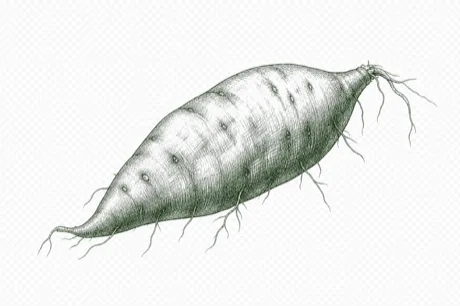
Plant family
Sweet potatoes are in the morning glory family. They are not related to regular potatoes, which are nightshades, so they belong to a different rotation group.
Why rotate sweet potatoes
Sweet potatoes can be affected by root rots, scurf-like surface problems, and nematodes that persist in soil. Because the harvestable roots develop underground, soil health has a direct effect on quality and storage life. Planting them in the same place repeatedly can increase root defects and reduce vigor. Rotation helps protect the root zone and lowers pest buildup.
What to plant after
Sweet potatoes do well after peas, beans, lettuce, or brassicas that leave the soil in workable condition. They also benefit from following crops that kept weeds under control, since young slips need a clean start.
What to avoid
Avoid planting sweet potatoes repeatedly in the same bed if nematodes or root diseases have been a problem. They also should not follow a crop that left the soil compacted or full of undecomposed residue, because that can reduce root quality.
Example rotation
A simple rotation is spring peas in year one, sweet potatoes in year two, and broccoli in year three. Another option is onions, then sweet potatoes, followed by beans or spinach.
Tips
Treat sweet potatoes as their own group rather than rotating them with regular potatoes. Keep the bed loose and well drained, and remove all harvested roots so volunteers do not confuse next year's plan.
General guidance for US home gardens. Adapt to your own crops, soil, and space; your Cooperative Extension office can help with a plan for your area. Page updated Sep 18, 2026.