
Sweet Potatoes Nutrition & Uses
Sweet potatoes are a major American crop used in both savory and sweet dishes. Their natural sweetness and creamy texture make them useful for weeknight meals, holiday sides, and baked goods.
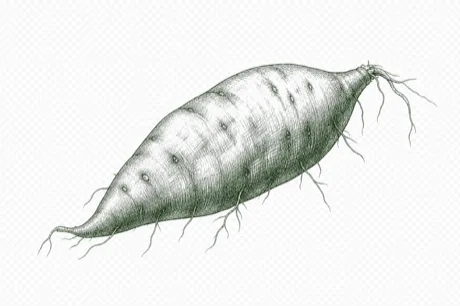
Nutritional profile
Sweet potatoes are moderate in calories and richer in carbohydrate than watery vegetables. USDA FoodData Central data show that they are especially rich in vitamin A from carotenoids and also provide vitamin C, potassium, manganese, and fiber. Their water content is still substantial, but they are denser and starchier than carrots or squash.
In the kitchen
Sweet potatoes are baked, roasted, mashed, steamed, and turned into fries, casseroles, soups, and pies. They can be used in grain bowls, tacos, hashes, and quick breads. Their sweetness works well with both savory seasonings and dessert-style spices.
Choosing & preparing
Choose roots that feel firm and heavy, with smooth skin and no major soft spots, cracks, or mold. Smaller and medium roots often cook more evenly than very large ones. Scrub well before cooking, and peel only if the recipe calls for it.
Flavor pairings
Sweet potatoes pair well with cinnamon, paprika, cumin, ginger, maple, pecans, butter, black beans, and lime. They also match well with chilies and smoky flavors.
Tips
Roasting brings out more sweetness than boiling. The skin is edible and adds fiber, so leave it on when texture works for the dish. Extra cooked sweet potato can be folded into pancakes, muffins, or soup.
General food-composition information based on USDA FoodData Central. This is not medical or dietary advice; for personal guidance, consult a registered dietitian or your doctor. Page updated Sep 19, 2026.