
How to Start Sweet Potatoes From Seed
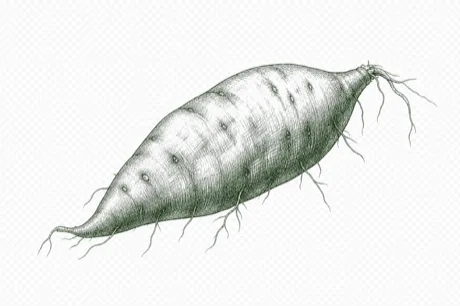
Sweet potatoes are usually started from slips, which are shoots grown from a mature sweet potato, rather than from true seed. Growing slips gives home gardeners plants that match the named variety reliably.
Start indoors or direct sow?
Start slips indoors, then transplant them after the soil has warmed well. Sweet potatoes need a long, hot growing season, so direct planting before warm weather slows them down.
When to start Sweet Potatoes seeds
Begin making slips about 8 to 10 weeks before the last expected spring frost. Set rooted slips outdoors 2 to 4 weeks after the last frost, once nights are warm and soil is at least about 65 F.
How to sow the seeds
Set a healthy, untreated sweet potato in moist potting mix or suspend its lower half in water in a warm, bright location. When shoots are 6 to 10 inches long, twist them off and root their lower ends in water or moist mix before planting.
Germination
Sweet potatoes do not germinate in the usual seed-starting sense because gardeners plant slips. Shoot production is fastest around 75 to 85 F, with the potato or growing medium kept moist but never waterlogged.
Seedling care
Give developing slips bright light and steady warmth, ideally from a sunny window supplemented with a grow light if needed. Change rooting water regularly, or keep potting mix evenly moist, and avoid crowding shoots so air can circulate.
Transplanting & hardening off
Harden rooted slips off over 7 to 10 days before planting. Transplant on a warm, calm day, burying roots and part of the stem in loose soil, then water deeply and protect plants if temperatures dip.
Tips
Use only sound, disease-free roots for slips, and do not use treated grocery-store roots. If spring is cool, warm the planting bed with black plastic before setting out slips.
General seed-starting guidance for US home gardens; timing depends on your local frost dates and variety. Page updated Sep 18, 2026.