
Growing guide · Vegetable
How to Grow Peas
Days to maturity60 days
Spacing3 in
SeasonCool-season
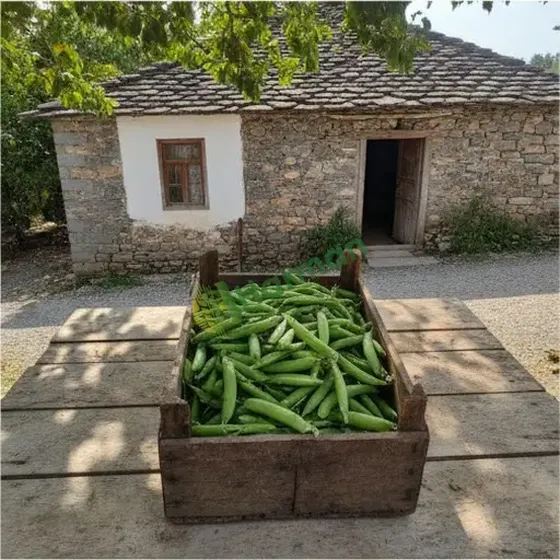
Peas are the taste of early spring, sweet enough to eat by the handful straight from the pod. They climb, flower, and crop while the weather is still cool.
When and how to plant
Peas love cool soil and shrug off light frost, so sow them early, well ahead of the last frost as the dates above indicate. They fade fast once summer heat arrives.
Care
Give peas full sun, even moisture, and something to climb, and they largely look after themselves. Like beans, they enrich the soil as they grow.
Common problems
Powdery mildew late in the season and the occasional aphid are the main concerns. Early planting sidesteps most disease.
Harvest
Pick shelling peas when the pods are plump but still bright, and snap and snow peas while flat and tender. Frequent picking keeps the vines producing.
Popular Peas varieties to grow
Pick peas by plant height, whether you want shelling, snap, or snow pods, and how quickly you need a crop in spring. Heat arrives fast in many US regions, so early maturity and succession sowing matter.
| Variety | Type | Days | Notes | Best for |
|---|---|---|---|---|
| Sugar Snap | snap pea | 58 to 65 | The classic snap pea, with thick sweet edible pods and climbing vines. It is one of the most widely grown peas for home gardens. | fresh eating, snacking |
| Little Marvel | shelling pea | 60 | A compact English pea with sweet peas and relatively short vines. It fits smaller gardens and can be grown without a large trellis. | small spaces, shelling |
| Green Arrow | shelling pea | 68 to 70 | A productive shelling pea that sets many pods and has good eating quality. Plants are taller than dwarf types and benefit from support. | freezing, high yields |
| Wando | shelling pea | 68 | A dependable pea often chosen for its ability to handle warmer spring conditions better than many older varieties. It is useful where the pea season warms quickly. | late spring sowings, warm regions |
| Oregon Sugar Pod II | snow pea | 60 | A widely grown snow pea with flat, sweet pods and good disease resistance. Vines are productive and easy to pick. | stir-fry, edible pods |
| Cascadia | snap pea | 60 | A bushier snap pea with sweet crisp pods and improved disease resistance. Plants are easier to manage than very tall vining types. | fresh eating, compact plantings |
| Lincoln | shelling pea | 67 | An old favorite with medium-tall vines and good-quality peas. It is well suited to classic spring shelling-pea harvests. | fresh shell peas, home freezing |
| Tom Thumb | dwarf shelling pea | 50 to 55 | A very small historic pea that stays compact and can be grown in tight spaces. Yields are modest, but it is useful for containers and children's gardens. | containers, very small gardens |
Variety notes are general guidance for US home gardens; local performance varies by climate and season. Availability differs by seed supplier.
Growing Peas in containers
Peas grow well in containers in cool spring or fall weather. Use a pot at least 8 to 12 inches deep with drainage holes and fresh, well-drained potting mix. Keep it evenly moist, feed lightly, and choose dwarf or bush peas for pots, while taller peas need a trellis.
Watering & feeding Peas
Give about 1 inch of water per week, raising it modestly during dry weather as plants flower and fill pods. Peas have average water needs and are somewhat drought tolerant once established, but drought reduces pod yield. Water deeply at the base when the upper soil begins to dry, especially during flowering and pod development, and avoid keeping the bed constantly soggy. Mulch conserves moisture, containers dry faster, and wilting or poor pod fill can indicate drought while yellowing and wet soil can indicate overwatering.
Peas are light feeders and benefit most from compost and well-drained soil prepared before planting. They can obtain nitrogen through their roots when properly inoculated, so phosphorus and potassium are often more important than added nitrogen. Incorporate compost before sowing and use little or no additional nitrogen unless a soil test indicates a need. If growth is weak in poor soil, apply a light, balanced feeding early, then avoid further nitrogen as flowering begins. Keep soil evenly moist while seeds germinate, then water especially carefully once blooms appear. Do not overfertilize peas, since lush vines can come at the expense of pods.
Saving Peas seeds
Open-pollinated and heirloom peas usually come true from seed, whereas F1 hybrids do not. Leave pods on the vine until they are brown, dry, and rattly, then shell out the seeds. Dry the peas for another 1 to 2 weeks in a protected indoor spot, and store them cool, dark, and dry for roughly 3 years.
Peas companion plants
Good companions for peas include carrots, radishes, lettuce, and spinach planted beneath or beside a trellis. The peas grow vertically while low, quick crops use the open ground, and pea roots can contribute nitrogen to the soil after the crop residues decompose. Avoid planting peas close to onions, garlic, or leeks, since alliums are a traditionally poor pairing with peas and are best kept in a separate bed.
When to plant Peas near you
Get the exact start-indoors, transplant, and fall planting dates for Peas at your location.
Frequently asked questions about Peas
When should I plant peas?
Plant peas as soon as the soil can be worked in spring, often several weeks before the last frost. In mild-winter parts of the US, peas are also grown in fall or winter.
How long do peas take to grow?
Most peas are ready in about 55 to 70 days from planting. Snow and snap peas are often harvested a little earlier than shelling peas.
How much sun do peas need?
Peas grow best in full sun, but they appreciate cool weather more than intense heat. In warmer areas, a bit of afternoon shade can help extend the season.
How far apart should pea plants be spaced?
Space peas about 2 to 4 inches apart in a row. Most varieties do better with some kind of support, even shorter ones.
Can peas grow in containers?
Yes, peas grow well in containers if you provide a trellis for climbing types. Use a wide container and plant during cool weather.
Why did my pea plants stop producing?
Peas usually slow down or stop once weather turns warm. Planting early and keeping roots cool with mulch can help stretch the harvest.
General guidance for US home gardens. Reference figures are typical values; your exact timing depends on your local frost dates and variety. Page updated Sep 19, 2026.