
How to Start Peas From Seed
Peas are cool-season vegetables that are best planted early, before warm weather arrives. They sprout quickly in cool soil and are usually grown directly where they will mature.
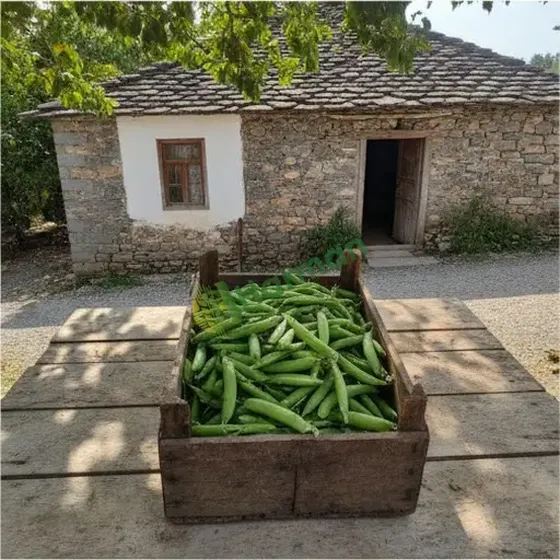
Start indoors or direct sow?
Direct sow peas because their roots dislike transplanting and seedlings establish best in place. Indoor starting is rarely worthwhile, though biodegradable pots can be used only when an unusually early start is necessary.
When to start Peas seeds
Direct sow 4 to 6 weeks before the last spring frost, as soon as the soil can be worked. In mild areas, sow again in late summer for a fall crop if there is enough cool weather remaining.
How to sow the seeds
Plant seeds 1 to 2 inches deep in loose, well-drained garden soil, with spacing suited to the variety. Put up a trellis or pea netting at planting time for climbing types so roots are not disturbed later.
Germination
Peas commonly germinate in 7 to 14 days. Soil around 45 to 75 F with consistent moisture is ideal, while cold, waterlogged soil can rot seed.
Seedling care
Keep the planting area evenly moist until emergence, then water during dry periods without saturating the soil. Thin only if seedlings are severely crowded, maintain support for vining types, and give any indoor starts strong light and good airflow to avoid damping off.
Transplanting & hardening off
Direct-sown peas need no transplanting. If peas were started in biodegradable pots, harden them off briefly and plant the entire pot before roots circle or push through the container.
Tips
Use fresh seed and consider an appropriate pea inoculant if peas have not been grown in that bed before. Avoid working or planting in soggy soil, which promotes poor germination and seed rot.
General seed-starting guidance for US home gardens; timing depends on your local frost dates and variety. Page updated Sep 19, 2026.