
Peas Nutrition & Uses
Peas bring sweetness and bright color to spring and early summer cooking. In US kitchens they are eaten fresh, quickly cooked, or folded into pastas, salads, soups, and rice dishes.
Nutritional profile
According to USDA FoodData Central, green peas contain more carbohydrate and protein than many non-starchy vegetables, along with fiber and moderate water content. They provide vitamin C, vitamin K, folate, manganese, and some iron and potassium.
In the kitchen
Peas can be eaten raw when very fresh, lightly steamed, boiled, sauteed, or stirred into dishes at the end of cooking. They are common in risotto, pasta primavera, pot pies, fried rice, and pureed soups.
Choosing & preparing
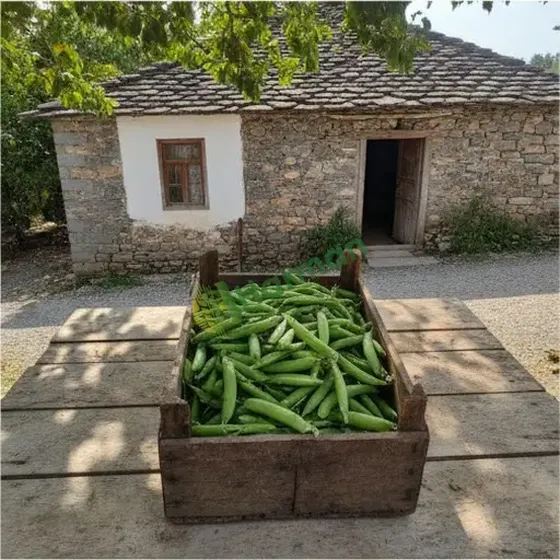
Choose pods that are plump, crisp, and bright green if buying peas in the shell. Shelled peas should look full and moist, not dull, shriveled, or starchy.
Flavor pairings
Peas pair well with mint, dill, parsley, lemon, butter, cream, shallots, pancetta, ham, potatoes, carrots, ricotta, and Parmesan. They also work nicely with chicken and salmon.
Tips
Cook peas briefly to keep their color and sweetness. If using the pods for shelling peas, compost or simmer the empty pods for a light vegetable stock.
General food-composition information based on USDA FoodData Central. This is not medical or dietary advice; for personal guidance, consult a registered dietitian or your doctor. Page updated Sep 19, 2026.