
Growing guide · Vegetable
How to Grow Melons
Days to maturity85 days
Spacing24 in
SeasonWarm-season
Start indoors3 wk pre-frost
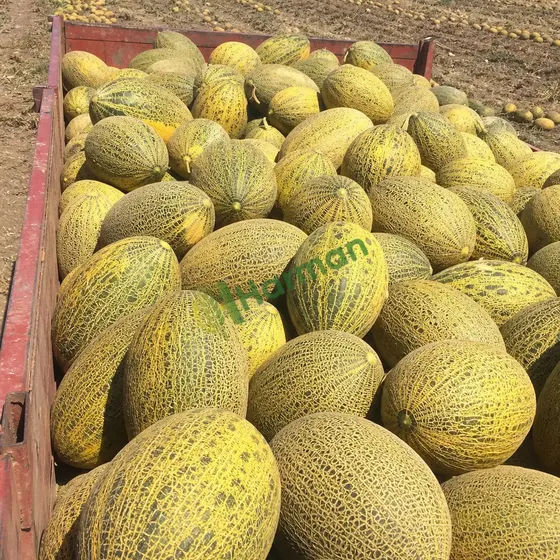
Cantaloupe and other muskmelons bring a taste of the tropics to the home garden. Given heat and time, they ripen to a fragrance you can smell across the yard.
When and how to plant
Melons are frost-tender heat-lovers, so plant them only after the soil is thoroughly warm, well past the last frost shown above. A transplant start helps in shorter-season areas.
Care
Full sun, warm soil, and even water through fruit set give the best melons; ease off watering as they ripen to concentrate the sugar. Let the vines sprawl over warm ground.
Common problems
Cucumber beetles and powdery mildew are the main concerns. Keeping plants vigorous and uncrowded is the best defense.
Harvest
A ripe melon slips easily from the vine with a gentle tug and smells sweet at the stem end. Harvest promptly, as they do not hold long once ripe.
Popular Melons varieties to grow
Choose muskmelon and cantaloupe types by season length, disease resistance, and fruit size. Gardeners in cooler or shorter-season parts of the US often succeed more easily with smaller or earlier melons.
| Variety | Type | Days | Notes | Best for |
|---|---|---|---|---|
| Hale's Best Jumbo | cantaloupe heirloom | 80 to 90 | A long-popular cantaloupe with netted rind, orange flesh, and classic muskmelon flavor. It needs warmth for best sweetness. | fresh eating, heirloom gardens |
| Athena | eastern cantaloupe hybrid | 75 to 80 | A widely grown hybrid with strong flavor, attractive netting, and dependable garden performance. It is a standard recommendation in many regions. | fresh eating, reliable production |
| Ambrosia | cantaloupe hybrid | 82 to 86 | Known for sweet orange flesh and rich flavor when fully ripe. Fruit is medium sized and popular with home gardeners. | premium fresh eating |
| Minnesota Midget | small muskmelon | 70 to 80 | A compact, early melon with small fruit and sweet orange flesh. It is especially useful in short-season climates. | short seasons, small gardens |
| Charentais | French melon heirloom | 85 to 95 | A small specialty melon with smooth gray-green rind and intensely aromatic orange flesh. It is prized for flavor more than shipping quality. | gourmet fresh eating |
| Honey Rock | cantaloupe | 80 to 85 | An older, dependable cantaloupe with sweet orange flesh and medium fruit size. It has remained popular in home gardens for generations. | fresh eating |
| Sarah's Choice | cantaloupe hybrid | 76 | A smaller hybrid melon selected for good sweetness and improved disease resistance. It matures earlier than many larger cantaloupes. | shorter seasons, home gardens |
| Planters Jumbo | cantaloupe heirloom | 85 | A classic large-fruited muskmelon with sweet orange flesh and vigorous vines. It performs best where summers are warm and long enough for full ripening. | large melons, fresh eating |
Variety notes are general guidance for US home gardens; local performance varies by climate and season. Availability differs by seed supplier.
Growing Melons in containers
Small melons can be grown in large containers, but full-sized vining types need significant space and support. Use a 15 to 20-gallon pot at least 18 inches deep with drainage holes and rich, well-drained potting mix. Water consistently, feed during vine growth and fruit set, and choose compact bush or small-fruited cantaloupe varieties.
Watering & feeding Melons
Provide about 1 to 1.5 inches of water per week, adjusting upward for heat, wind, sandy soil, and container growing. Melons are moderately thirsty, and uneven watering can contribute to weak growth or split fruit. Water deeply at the base in the morning and mulch around plants to keep soil moisture even while keeping leaves dry. Wilting with dry soil means plants need water, while yellowing leaves and slow growth in wet soil point to overwatering, and containers may need watering more often.
Melons are moderate to heavy feeders and benefit from compost-rich, well-drained soil prepared before planting. Nitrogen supports early vine growth, but phosphorus and potassium become especially important for flowering and fruit development. Feed at planting according to a soil test, then side-dress lightly once vines are growing and again after fruit set if needed. Reduce or stop high-nitrogen feeding once fruit is developing, since excessive nitrogen can delay fruiting and produce too much vine growth. Use drip irrigation or a soaker hose to avoid wet foliage. As fruits approach maturity, avoid sudden heavy watering after dry conditions to help limit cracking.
Saving Melons seeds
Save seed from open-pollinated or heirloom melons, not F1 hybrids, and isolate or hand-pollinate varieties because melons can cross within their species. Harvest fruit when it is fully ripe, scoop out seeds and pulp, and rinse them thoroughly in water. Dry seeds in a single layer for 1 to 2 weeks, then store them cool, dark, and dry. Melon seed commonly remains viable about 4 to 6 years.
Melons companion plants
Grow melons with bush beans, sweet alyssum, borage, and flowering dill. Beans use a different growth habit and contribute nitrogen, while the flowering plants support the pollinators melons need for fruit set. Use a trellis for smaller melon varieties to preserve ground space. Avoid crowding melons with cucumbers, squash, pumpkins, or watermelons because these cucurbits share pests and diseases and their vines compete intensely.
When to plant Melons near you
Get the exact start-indoors, transplant, and fall planting dates for Melons at your location.
Frequently asked questions about Melons
When should I plant melons?
Plant melons after the last frost, once the soil is warm, usually at least 70 F for best growth. They need a long, warm season.
How long do melons take to grow?
Most muskmelons and cantaloupe types need about 70 to 100 days from planting. Weather and variety both affect timing.
Do melons need full sun?
Yes, melons need full sun, at least 6 to 8 hours and preferably more. Warmth is just as important as light for good flavor.
How far apart should melon plants be spaced?
Space melon plants about 2 to 3 feet apart, with rows 4 to 6 feet apart for vining types. They spread widely unless grown on support.
Can melons grow in containers?
Yes, smaller varieties can grow in large containers if you provide a trellis or allow vines to spill over. Keep watering even, especially once fruits begin sizing up.
How do I know when a melon is ripe?
Many cantaloupe types slip easily from the vine when ripe and develop a strong aroma. Skin color often changes from greenish to tan or cream, depending on the type.
General guidance for US home gardens. Reference figures are typical values; your exact timing depends on your local frost dates and variety. Page updated Sep 18, 2026.