
The Cost of Growing Melons
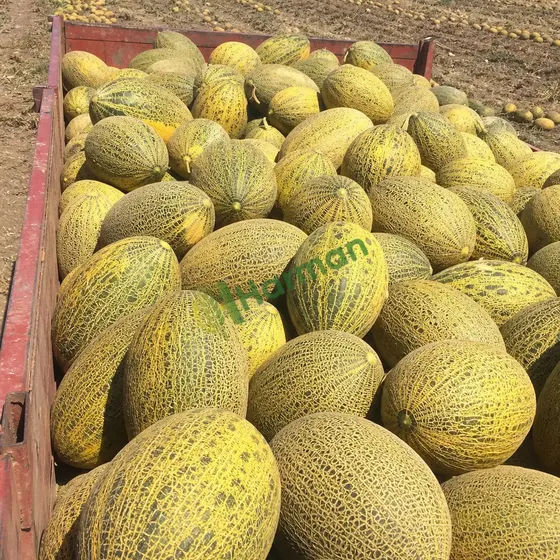
Melons can be a strong summer attraction and create a premium seasonal draw when flavor is excellent. They are highly marketable in direct sales, but they are also weather-sensitive and space-intensive, so they need careful planning.
Startup costs
Seed or transplants, plastic mulch, drip irrigation, fertility, and significant bed space are common startup costs. Some growers use row cover early for heat and insect exclusion. Harvest bins, field transport, and shaded handling space are also important.
Ongoing costs
Labor is moderate because planting, weeding, vine management, irrigation monitoring, harvest, and careful handling all matter. Disease and insect management can require regular attention. Sorting for ripeness and quality is important because poor fruit can hurt repeat sales.
Yield & how it sells
Usually sold by the piece, sometimes by weight or sliced units where regulations allow. Productivity per area ranges widely depending on variety, climate, pollination, and disease pressure. When quality is high, single fruit can carry strong value, but output is less predictable than with many vegetables.
What makes it profitable
Often a moderate to higher margin seasonal crop for direct markets when flavor is excellent and local melons clearly outperform shipped fruit. It tends to sell best at farmers markets, farm stands, and local retail that can highlight local seasonality. Margins fall quickly if quality is inconsistent or losses are high.
Financial risks
Weather swings, foliar disease, poor pollination, wildlife, cracking, and uneven ripening can all reduce marketable yield. The crop uses a lot of space and ties up beds through summer. A disappointing eating experience can damage repeat demand more than with many other crops.
Tips to improve returns
Choose varieties with proven flavor in your region, not just good shipping traits. Harvest at proper maturity and educate staff so customers get ripe fruit. Use your local Cooperative Extension and Small Business Development Center to budget land use, crop loss risk, and the extra handling needed for premium fruit.
General planning information, not financial or investment advice, and not a guarantee of profit. For real budgets, work with your Cooperative Extension office and local Small Business Development Center. Page updated Sep 18, 2026.