
Growing guide · Vegetable
How to Grow Watermelon
Days to maturity85 days
Spacing36 in
SeasonWarm-season
Start indoors3 wk pre-frost
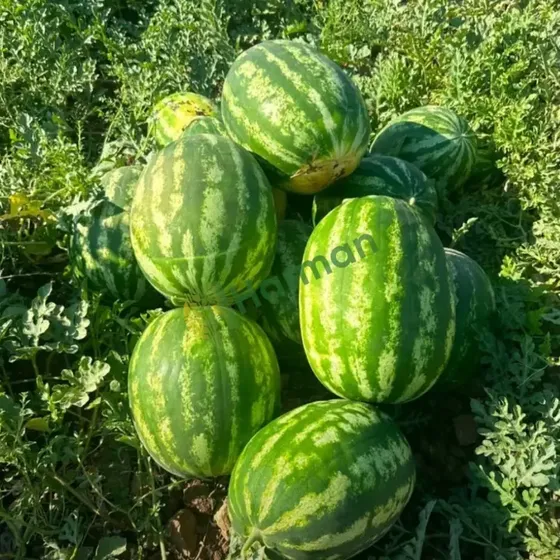
Few things say summer like a homegrown watermelon. It rewards a long, hot season with crisp, sweet fruit that beats anything trucked in.
When and how to plant
Watermelon is very frost-sensitive and needs a long stretch of warmth, so plant well after the last frost as the dates above show. In cooler regions, an early indoor start makes all the difference.
Care
Give it full sun, sandy rich soil, and steady water while the vines grow and fruit forms. Plenty of room lets the sprawling vines ripen a good crop.
Common problems
Cucumber beetles, aphids, and mildew can trouble the vines. Strong, healthy growth is the surest protection.
Harvest
Look for a dull rind, a curled tendril near the stem, and a creamy yellow patch where the melon rests on the ground. A ripe one sounds hollow when you thump it.
Popular Watermelon varieties to grow
Pick watermelons by days to maturity, fruit size, and whether you want seeded or seedless types. Short-season gardeners usually do better with smaller icebox melons, while long hot summers allow bigger classic varieties to ripen fully.
| Variety | Type | Days | Notes | Best for |
|---|---|---|---|---|
| Sugar Baby | icebox watermelon | 75 to 80 | A classic small dark-green melon with red flesh and good sweetness. Its modest size helps it mature in a wide range of climates. | small gardens, shorter seasons |
| Crimson Sweet | striped main-season | 80 to 85 | A popular home-garden watermelon with bright red flesh and sweet flavor. Fruit is medium to large with classic striped rind. | fresh eating, reliable main crop |
| Charleston Gray | elongated heirloom | 85 to 95 | A long, light-green watermelon known for crisp red flesh and good heat performance. It has been a standard southern garden variety for decades. | hot climates, large harvests |
| Jubilee | large striped heirloom | 90 | Produces large oblong melons with sweet red flesh and striped rind. It needs space and a fairly long warm season. | large family harvests |
| Moon and Stars | heirloom, speckled rind | 90 to 100 | A distinctive heirloom with dark rind dotted with yellow spots and sweet flesh. It is often grown as much for appearance as for eating quality. | heirloom gardens, novelty |
| Black Diamond | large heirloom | 85 to 90 | A large watermelon with dark green rind and bright red flesh. It performs best in hot summer conditions and with plenty of room. | southern gardens, big fruit |
| Yellow Crimson | yellow-fleshed | 80 to 85 | A variation on Crimson Sweet with yellow flesh and familiar striped rind. It gives gardeners something unusual without changing the basic growth habit much. | fresh eating, color novelty |
| Orangeglo | orange-fleshed heirloom | 85 to 90 | Known for very sweet orange flesh and large elongated fruit. It needs warmth and space, but is highly regarded for flavor. | specialty fresh eating |
Variety notes are general guidance for US home gardens; local performance varies by climate and season. Availability differs by seed supplier.
Growing Watermelon in containers
Watermelon is possible in containers only with compact varieties and a very large pot. Use at least a 20-gallon container, 18 inches deep or more, with drainage holes, rich potting mix, and room for vines to spread. Maintain even moisture, fertilize regularly until fruits enlarge, and choose personal-size bush or short-vined watermelons.
Watering & feeding Watermelon
Watermelons usually need about 1 to 2 inches of water per week, depending on heat, soil type, rainfall, and plant size. They are thirsty while vines and fruit are actively growing, then need less water as fruit nears ripeness. Irrigate deeply at the base in the morning, using drip irrigation or a soaker hose and mulch to maintain even soil moisture. Dry soil with persistent wilting signals underwatering, while saturated soil, yellowing leaves, and poor vigor can indicate overwatering, and containers dry out quickly.
Watermelons are heavy feeders that perform best with compost or well-rotted organic matter incorporated before planting. They need nitrogen early for vines, then sufficient phosphorus and potassium to support flowering, fruit set, and fruit fill. Apply needed fertility before planting, then side-dress when vines begin running and again shortly after fruit set if a soil test or plant performance supports it. Avoid heavy nitrogen applications after fruit set, and taper irrigation as melons mature rather than letting plants repeatedly dry out and flood. Keep water off leaves and fruit crowns whenever possible to reduce disease risk. Consistent irrigation through fruit sizing is more useful than frequent shallow sprinkling.
Saving Watermelon seeds
Save seed from open-pollinated or heirloom watermelons, because F1 hybrids do not come true, and isolate or hand-pollinate varieties to avoid crossing. Let a selected melon ripen fully on the vine, remove mature dark seeds from the flesh, and rinse away all pulp. Dry seeds in a single layer for 1 to 2 weeks before storing them cool, dark, and dry. Watermelon seed usually remains viable about 4 to 6 years.
Watermelon companion plants
Watermelon companions are less established than many classic pairings, but bush beans, sweet alyssum, borage, and flowering dill are sensible choices. Beans can contribute nitrogen and the flowers support pollinators and beneficial insects without competing much when placed at bed edges. Keep the watermelon patch open, since its vines need substantial sun and ground space. Avoid planting it closely with cucumbers, squash, pumpkins, or melons because shared cucurbit pests and diseases can build up and sprawling vines compete for space.
When to plant Watermelon near you
Get the exact start-indoors, transplant, and fall planting dates for Watermelon at your location.
Frequently asked questions about Watermelon
When do I plant watermelon?
Plant watermelon after the last frost, when the soil is thoroughly warm, usually at least 70 F. Watermelon needs hot weather and a long season.
How long does watermelon take to grow?
Most watermelons need about 70 to 100 days from planting, with large varieties often taking longer. Seed packets usually give a useful estimate for your chosen type.
How much sun does watermelon need?
Watermelon needs full sun, ideally 8 hours or more per day. Warm, sunny conditions help the fruit sweeten and ripen well.
How far apart should watermelon plants be spaced?
Give watermelon plenty of room, often 3 to 5 feet between plants and 6 feet or more between rows. Vigorous vines can spread a long distance.
Can watermelon be grown in containers?
Only small or personal-size varieties are realistic in containers, and they still need a very large pot and consistent water. Most watermelons perform better in the ground.
How can I tell when a watermelon is ripe?
Look for the tendril nearest the fruit to dry down, a creamy yellow ground spot, and a duller rind. Ripeness signs vary by variety, so use several clues together.
General guidance for US home gardens. Reference figures are typical values; your exact timing depends on your local frost dates and variety. Page updated Sep 18, 2026.