
The Cost of Growing Watermelon
Watermelon can be a profitable summer crop for small farms with strong roadside, farm stand, or direct market traffic, but it depends on space, timing, and reliable fruit set. Customers respond well to local ripe melons, which can create a quality advantage over shipped product. Economics are strongest when the farm can move fruit quickly and avoid excessive handling losses.
Startup costs
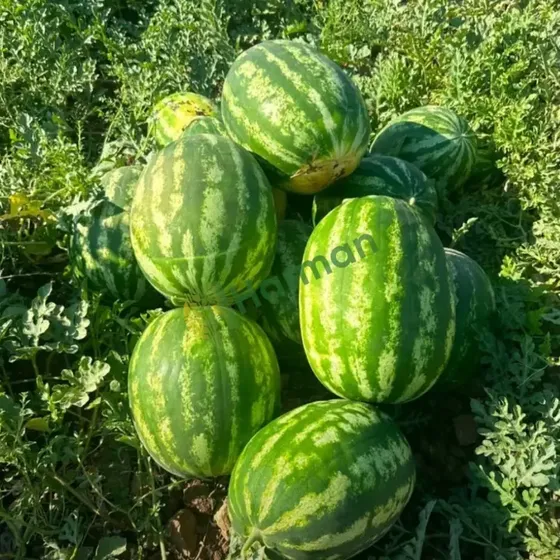
Startup costs include seed or transplants, field preparation, fertility, irrigation, and enough land for vine growth. Many growers also use mulch, row cover, or early season protection to improve establishment, which raises setup costs. Harvest bins, wagons, scales, and display space are important because fruit is bulky and heavy. Customer access and signage matter if melons are sold mainly through on farm channels.
Ongoing costs
Recurring costs include irrigation, weed control, field scouting, harvest labor, and transport from field to sale point. Labor is concentrated around harvest and handling because fruit is heavy and often moved several times. Losses from cracked, sunburned, or overripe melons can become a major seasonal cost.
Yield & how it sells
Watermelon can yield a substantial tonnage or fruit count per acre, but value depends on size, sweetness, appearance, and whether the market prefers whole or smaller personal melons. They are usually sold by the fruit, by weight, or in mixed size displays at direct retail outlets. A ripe local melon can command better value than a similar fruit in wholesale channels because eating quality is more obvious to customers.
What makes it profitable
Watermelon can be profitable for small farms that have enough space and a customer base willing to buy bulky seasonal produce. Farm stands, roadside retail, and summer events often support the best margins because shoppers are buying on freshness and appearance rather than pure price. Profitability weakens when fruit must be moved long distances, when yields are uneven, or when large melons do not fit household buying habits. Variety and size selection are important economic decisions, not just agronomic ones.
Financial risks
Major risks include poor pollination, drought stress, fruit cracking, wildlife damage, and losses from rough handling. The crop also has a narrow prime sales season, so delayed harvest or weak market traffic can hurt returns quickly. Regional oversupply can pressure prices during peak summer weeks.
Tips to improve returns
Choose fruit sizes that fit your customers and sales channel, since smaller household friendly melons often move differently than large picnic types. Keep handling gentle and sales timing tight so ripe fruit does not become shrink. For realistic planning, work with local Cooperative Extension and your Small Business Development Center on crop budgets and market assumptions.
General planning information, not financial or investment advice, and not a guarantee of profit. For real budgets, work with your Cooperative Extension office and local Small Business Development Center. Page updated Sep 18, 2026.