
Watermelon Crop Rotation
Rotating watermelon protects it from soilborne diseases and pests that build up wherever cucurbits grow year after year. Because watermelon is a hungry, sprawling feeder, moving it to fresh ground each season also helps keep soil fertility balanced.
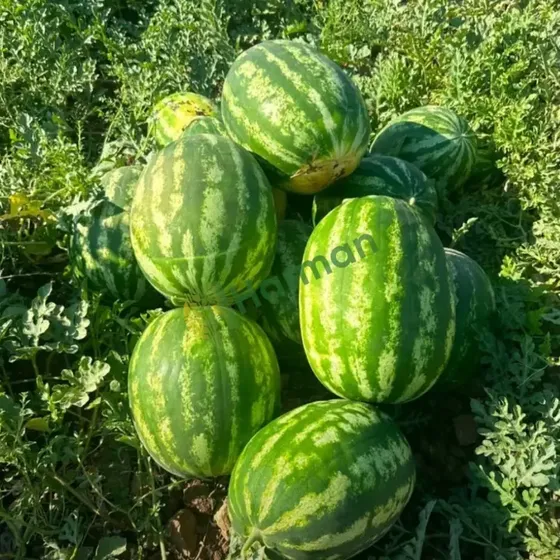
Plant family
Watermelon belongs to the cucurbit family (Cucurbitaceae), along with cucumbers, cantaloupe and other melons, summer and winter squash, zucchini, pumpkins, and gourds. All of these relatives share many of the same pests and diseases, so they should be treated as one group when you plan a rotation.
Why rotate watermelon
Growing watermelon or its cucurbit relatives in the same spot repeatedly lets Fusarium wilt build up in the soil, and this fungus can persist for many years once established. Root-knot nematodes, gummy stem blight, and anthracnose also accumulate, while overwintering cucumber beetles and squash bugs find a ready host waiting for them. On top of that, watermelon is a heavy feeder, so back-to-back planting drains potassium and phosphorus and leaves the bed depleted.
What to plant after
Watermelon does well following legumes such as bush beans, peas, or a clover or vetch cover crop, because legumes fix nitrogen and leave the soil richer for this heavy feeder. Leafy greens, alliums like onions and garlic, or a well-composted brassica bed also make good predecessors since none of them share watermelon's family diseases. The goal is to hand watermelon clean, fertile ground that has not carried cucurbits recently.
What to avoid
Avoid planting watermelon right before or after any other cucurbit, including cucumbers, squash, pumpkins, zucchini, gourds, and other melons, because they all host the same Fusarium wilt, nematodes, and beetles that carry over in the soil. Following one cucurbit with another simply feeds those problems instead of starving them. It is also wise not to crowd watermelon behind another notably heavy feeder without rebuilding the soil first.
Example rotation
A simple four-year plan for one bed: Year 1, legumes such as bush beans or peas (or a legume cover crop) to build nitrogen; Year 2, watermelon and any other cucurbits grouped together; Year 3, brassicas or leafy greens like cabbage, kale, or lettuce; Year 4, alliums or root crops such as onions, garlic, or carrots. In Year 5 you return to legumes and begin the cycle again, which keeps watermelon off that ground for about four seasons.
Tips
Keep a simple map or garden notebook of what grew in each bed so you can be sure cucurbits do not return to the same spot for at least three to four years. Grouping all your cucurbits into one bed each season makes the whole family easy to move together, and sowing a legume or clover cover crop in the off-season rebuilds the fertility that watermelon draws down.
General guidance for US home gardens. Adapt to your own crops, soil, and space; your Cooperative Extension office can help with a plan for your area. Page updated Sep 18, 2026.