
Watermelon Nutrition & Uses
Watermelon is a classic American summer fruit known for its sweetness, high water content, and refreshing texture. It is usually served cold and eaten fresh, but it also appears in drinks, salads, and frozen desserts.
Nutritional profile
Watermelon is low in calories and very high in water. USDA FoodData Central data show that it provides vitamin C and vitamin A from carotenoids, with smaller amounts of potassium. It contains little fiber compared with denser fruits because most of the flesh is water.
In the kitchen
Watermelon is most often cut into slices or cubes for snacks, picnics, and fruit salads. It can also be blended into drinks, frozen into granita, or combined with feta, mint, or cucumber in salads. Some cooks pickle the rind after the green outer skin is removed.
Choosing & preparing
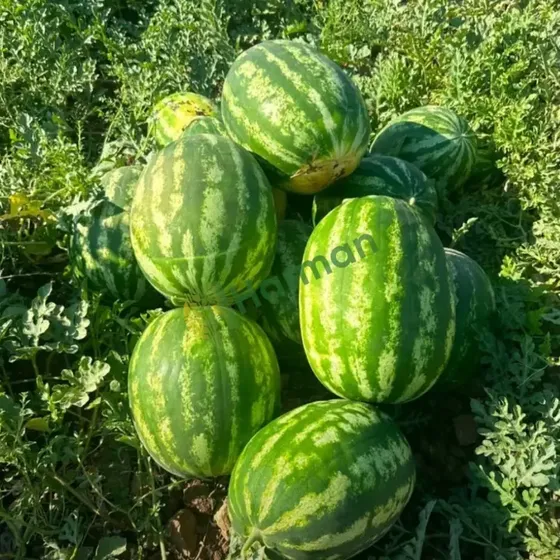
Choose melons that feel heavy for their size and have a creamy yellow field spot rather than a pure white one. The rind should look dull rather than shiny and should not have soft damaged areas. Wash the outside before cutting.
Flavor pairings
Watermelon pairs well with mint, lime, basil, feta, cucumber, chili, and salty cured meats. Its sweetness also contrasts well with tart dressings.
Tips
Serve watermelon very cold for the best texture and flavor. Cut melon releases juice quickly, so store it covered and use it within a few days. Save sound rind for pickling instead of throwing it away.
General food-composition information based on USDA FoodData Central. This is not medical or dietary advice; for personal guidance, consult a registered dietitian or your doctor. Page updated Sep 18, 2026.