
When & How to Harvest Watermelon
Watermelon must be harvested at full ripeness because sweetness does not improve after picking. The trick is using several field signs together instead of relying on just one.
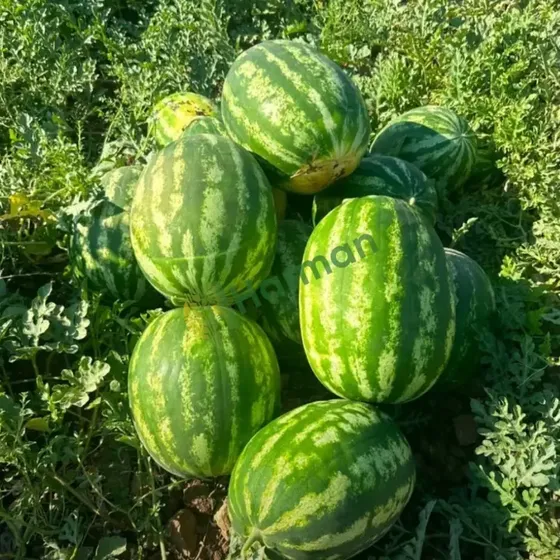
How to tell it is ready
A ripe watermelon usually has a ground spot that changes from white to creamy yellow where the fruit rests on the soil. The tendril closest to the fruit often turns brown and dries, and the rind becomes duller and tougher. The fruit should feel heavy for its size and sound deeper when tapped, though sound alone is not reliable. The surface resists puncture and the stripes or netting pattern look fully developed for the variety.
How to harvest
Cut the stem with pruners or a knife rather than pulling the fruit from the vine. Support the melon with both hands and move it carefully to avoid cracking or bruising. Do not lift by the stem. Harvest only fruits that show multiple signs of maturity because they will not get sweeter afterward.
Timing
Watermelons are commonly ready 70 to 100 days after planting, depending on variety and heat. Harvest on a dry day when possible, and morning is a good time before fruit becomes hot in the sun. Main harvest is usually in midsummer to late summer.
After the harvest
Keep harvested melons shaded and out of direct sun until they can be cooled. Whole melons hold best in a cool place, and cut melon should be refrigerated right away. Handle carefully because rind damage can shorten storage life.
Tips
Checking the tendril alone can be misleading, so combine it with the ground spot and rind appearance. Do not harvest too early because flavor and sweetness will not improve off the vine. Turn fruit as little as possible during growth and harvest to avoid damaging the rind.
General guidance for US home gardens. Timing varies by variety and region; check your local frost dates. Page updated Sep 19, 2026.