
Growing guide · Vegetable
How to Grow Swiss Chard
Days to maturity55 days
Spacing8 in
SeasonCool-season
Start indoors4 wk pre-frost
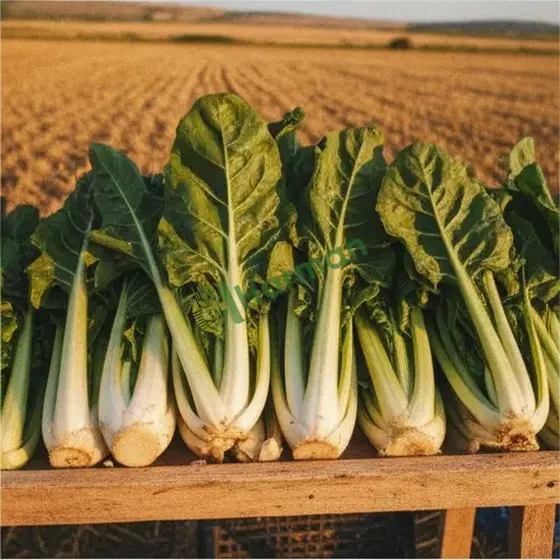
Swiss chard is one of the most generous and forgiving greens, with glowing stems in red, gold, and white. A short row supplies leaves from spring well into fall.
When and how to plant
Chard is a cool-season crop that also tolerates summer better than most greens, sown around the last frost as the dates above show. Like beets, each seed produces a small cluster to thin.
Care
Give it full sun to part shade, rich soil, and even water for a steady supply of tender leaves. It keeps producing as long as you keep picking.
Common problems
Leaf miners and the occasional aphid are the main issues. A row cover on young plants keeps miners at bay.
Harvest
Cut the outer leaves at the base and the plant keeps sending up new growth for months. Pick regularly to keep the leaves young and tender.
Popular Swiss Chard varieties to grow
Swiss chard varieties are mostly chosen by stem color, leaf texture, and plant size rather than major differences in growing difficulty. For home gardeners, the main decision is whether you want colorful stems for mixed harvests or broad white-ribbed leaves for cooking.
| Variety | Type | Days | Notes | Best for |
|---|---|---|---|---|
| Bright Lights | multicolor | 55-60 | The best-known colorful chard, Bright Lights mixes red, yellow, orange, pink, and white stems. It is productive and especially attractive in edible landscapes. | ornamental edible beds, mixed bunches |
| Fordhook Giant | white stem, heirloom | 50-60 | A long-time standard with broad dark leaves and thick white ribs. It is vigorous, dependable, and excellent for repeated cutting. | cooking greens, heavy harvests |
| Ruby Red | red stem | 55-60 | Ruby Red combines deep green leaves with vivid red stalks and veins. It brings strong color to the garden and harvest basket. | fresh bunches, colorful gardens |
| Lucullus | white stem, heirloom | 50-60 | An old Italian strain with crumpled green leaves and pale ribs. It is productive and has a somewhat softer look than Fordhook Giant. | traditional kitchen gardens, sauteing |
| Peppermint | pink and white stem | 55-65 | Peppermint is known for striped pink-and-white stems and ornamental appeal. It offers the same dependable productivity expected from chard. | decorative plantings, mixed harvests |
| Orange Fantasia | orange stem | 55-65 | A standout orange-stemmed variety with glossy green leaves and strong visual contrast. It is grown for both steady harvests and garden color. | colorful kitchen gardens, bunching |
Variety notes are general guidance for US home gardens; local performance varies by climate and season. Availability differs by seed supplier.
Growing Swiss Chard in containers
Swiss chard is an excellent container vegetable and remains productive for months. Grow one plant in an 8 to 10 inch deep pot, or several plants in a wide container with 8 to 12 inches of spacing and drainage holes. Use rich potting mix, water consistently, and apply a diluted balanced fertilizer every few weeks; compact or colorful rainbow chard types work well.
Watering & feeding Swiss Chard
Provide about 1 to 1.5 inches of water per week, more during prolonged heat or in sandy soil. Swiss chard has average water needs but becomes thirsty during hot weather. Water deeply at the base to encourage a broad root system, and mulch to keep soil evenly moist. Morning watering is best, containers need more frequent checks, and drooping leaves or dry soil indicate drought while yellowing and soggy soil suggest overwatering.
Swiss chard is a moderate feeder that benefits from compost worked into the bed before planting. Nitrogen supports leafy growth, but complete soil fertility also matters for continued production. Feed at planting if soil is not already fertile, then side-dress lightly after several harvests or when growth slows. Do not overapply nitrogen, which can create soft growth and nutrient imbalance. Harvest outer leaves first so the center keeps producing. Water after harvest during dry weather to support quick regrowth.
Saving Swiss Chard seeds
Save seed from open-pollinated Swiss chard, not F1 hybrids, and expect it to cross readily with other Swiss chard and beets. Swiss chard is biennial, so overwinter selected plants where possible, or lift and store roots before replanting in spring, then allow flower stalks to mature until the seed clusters are dry and brown. Cut stalks, dry them further under cover, rub off the seed clusters, and store them cool, dark, and dry. Chard seed usually remains viable for about 4 to 5 years.
Swiss Chard companion plants
Grow Swiss chard with onions, radishes, bush beans, and lettuce. Radishes and lettuce mature quickly around the chard, onions use vertical space, and beans can contribute nitrogen when grown at a reasonable distance. Avoid crowding Swiss chard with other large leafy crops, such as mature kale or cabbage, because dense planting increases competition for water, nutrients, and airflow; firm crop-specific incompatibilities are otherwise less established.
When to plant Swiss Chard near you
Get the exact start-indoors, transplant, and fall planting dates for Swiss Chard at your location.
Frequently asked questions about Swiss Chard
When should I plant Swiss chard?
Swiss chard can be planted in spring after hard freezes are mostly past, and again in late summer for fall harvest. It handles light frost and often produces for a long season.
How long does Swiss chard take to grow?
Baby leaves can be picked in about 30 days, and full-size stalks often take 50 to 60 days. Regular harvesting encourages more growth.
How much sun does Swiss chard need?
Swiss chard grows best in full sun but tolerates partial shade, especially in hot climates. Around 4 to 8 hours of sun works well.
Why are my Swiss chard leaves turning yellow?
Yellowing can come from overwatering, poor drainage, nutrient deficiency, or older leaves aging out. Check soil moisture first and remove damaged outer leaves.
Can Swiss chard grow in containers?
Yes, Swiss chard grows well in containers if the pot is large enough and watered regularly. It is one of the easier leafy greens for patio gardens.
General guidance for US home gardens. Reference figures are typical values; your exact timing depends on your local frost dates and variety. Page updated Sep 19, 2026.