
Swiss Chard Nutrition & Uses
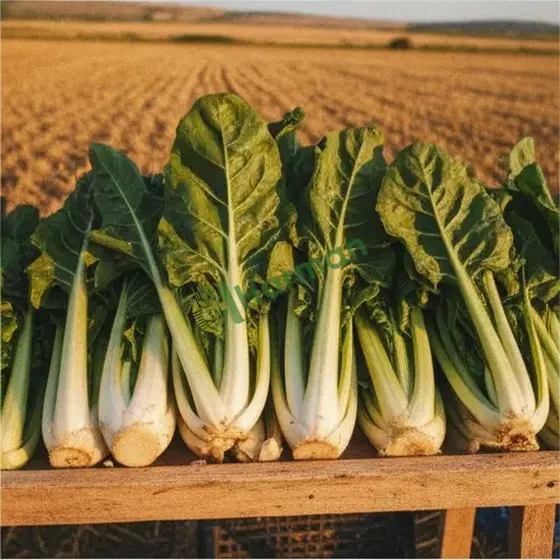
Swiss chard is a leafy green with tender leaves and colorful stalks that cook down into a silky texture. In US kitchens it is often sauteed, braised, added to soups, or baked into savory pies and gratins.
Nutritional profile
According to USDA FoodData Central, Swiss chard is low in calories, high in water, and provides fiber along with small amounts of protein. It contains vitamin K, vitamin A compounds, vitamin C, magnesium, potassium, and iron.
In the kitchen
Swiss chard can be sauteed with garlic, braised, folded into pasta, or simmered in soups and bean dishes. The leaves cook faster than the stalks, so many recipes start the chopped stalks first and add the greens later.
Choosing & preparing
Look for crisp leaves with vivid color and firm stalks. Avoid bunches with limp leaves, browning, slime, or dried-out cut ends.
Flavor pairings
Swiss chard pairs well with garlic, lemon, olive oil, red pepper flakes, raisins, pine nuts, beans, tomatoes, onions, feta, ricotta, and Parmesan. It also complements eggs and sausage.
Tips
Separate the stalks from the leaves if you want more even cooking. Tender stems are edible and useful, so chop and cook them rather than throwing them away.
General food-composition information based on USDA FoodData Central. This is not medical or dietary advice; for personal guidance, consult a registered dietitian or your doctor. Page updated Sep 18, 2026.