
The Cost of Growing Swiss Chard
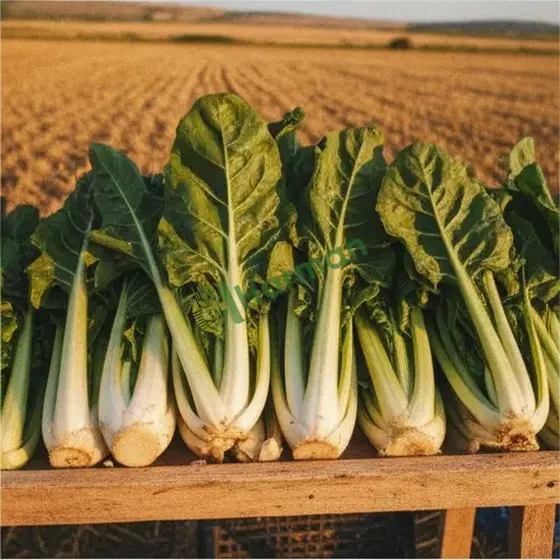
Swiss chard is a durable bunching green that produces over a long period and adds color to market displays. Demand is usually solid but somewhat narrower than kale or spinach, so it often works as a dependable secondary greens crop.
Startup costs
Seed costs are moderate, and the crop can be direct seeded or transplanted. Bed prep, irrigation, harvest knives, bunching materials, and wash-pack space are the main startup needs. Protected culture may help with shoulder-season production but is not essential in many systems.
Ongoing costs
Labor is moderate because chard requires weeding, repeated leaf harvests, washing, bunching, and grading. Regular harvest keeps quality high and prevents oversized stems. Fertility and irrigation need to stay steady to support repeat cutting.
Yield & how it sells
Usually sold by the bunch or by bagged leaf. It is productive over a long harvest window and can give substantial leaf volume from a relatively small area. Productivity is especially useful in mixed greens and bunching systems.
What makes it profitable
Usually a moderate margin crop. It is valuable because it keeps producing and handles weather better than some other greens, but demand can be less intense than for spinach or salad mix. Best outlets are farmers markets, CSA, and local retail that want colorful cooking greens.
Financial risks
Leaf miner, aphids, wind damage, and old leaf quality can reduce marketability. Dirty lower leaves can raise wash labor and culls. If harvested too large, bunches may look coarse and move slowly.
Tips to improve returns
Harvest young, attractive leaves and keep bunch size consistent. Rainbow types can draw attention, but standard green types may have broader cooking appeal, so test both. Use your local Cooperative Extension and Small Business Development Center to budget repeat-harvest labor and realistic sales volume for bunching greens.
General planning information, not financial or investment advice, and not a guarantee of profit. For real budgets, work with your Cooperative Extension office and local Small Business Development Center. Page updated Sep 18, 2026.