
Growing guide · Vegetable
How to Grow Radishes
Days to maturity28 days
Spacing2 in
SeasonCool-season
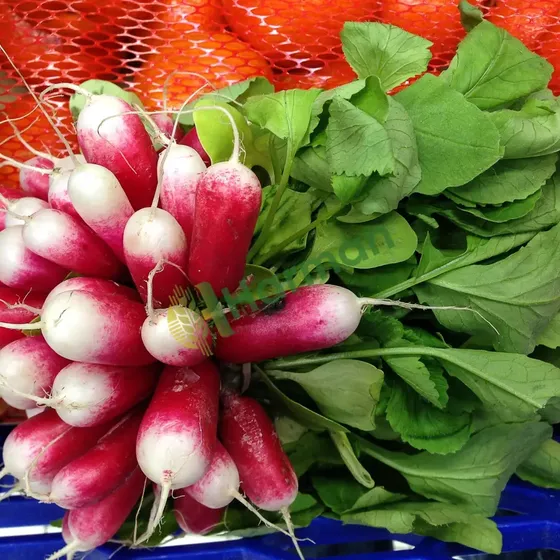
Radishes are the sprinter of the vegetable garden, going from seed to snack faster than almost anything. They are perfect for impatient gardeners and children.
When and how to plant
Cool-season and cold-tolerant, radishes are sown directly around the last frost and again in fall, as the dates above show. They dislike summer heat, which turns them hot and pithy.
Care
Give them loose soil, steady moisture, and sun, and thin so the roots can form. Even watering keeps them crisp and mild.
Common problems
Flea beetles nibbling the leaves and cracking from uneven water are the main issues. Consistent moisture and a light cover help.
Harvest
Pull radishes as soon as they reach a usable size, since they turn woody if left too long. Their speed makes them ideal for filling gaps between slower crops.
Popular Radishes varieties to grow
Choose radishes by season and root shape, since spring salad radishes and winter storage radishes are quite different crops. For most US home gardens, quick-maturing spring types give the easiest success, especially in cool weather.
| Variety | Type | Days | Notes | Best for |
|---|---|---|---|---|
| Cherry Belle | round red spring radish | 22 to 28 | A classic bright red radish with crisp white flesh and quick growth. It is one of the most widely grown home-garden radishes. | spring salads, beginner gardens |
| French Breakfast | oblong red-and-white | 25 to 30 | A popular heirloom with elongated roots, red tops, and white tips. Flavor is mild to moderately pungent depending on growing conditions. | fresh eating, heirloom gardens |
| Easter Egg | mixed colors | 25 to 30 | A blend of round radishes in red, pink, purple, and white shades. It adds color to salad harvests while growing much like standard spring radishes. | salad mixes, colorful beds |
| White Icicle | long white spring radish | 25 to 30 | A slender white radish with crisp texture and mild heat. It remains a favorite for its shape and reliable growth. | fresh snacking, slicing |
| Champion | round red spring radish | 25 | A uniform round red radish that bulks up quickly and stays fairly crisp. It is dependable for cool-season sowings. | fast harvests, bunching |
| Watermelon | winter radish | 55 to 65 | A larger storage radish with pale exterior and bright rose interior. It is milder and sweeter than many winter radishes when grown in cool weather. | fall harvests, specialty salads |
| Black Spanish Round | winter radish heirloom | 55 to 60 | A pungent black-skinned radish with white flesh and strong storage ability. It is usually grown for fall harvest rather than spring. | storage, fall gardens |
Variety notes are general guidance for US home gardens; local performance varies by climate and season. Availability differs by seed supplier.
Growing Radishes in containers
Radishes are ideal for containers because they mature quickly and need little depth. Use a planter at least 6 inches deep with drainage holes and loose potting mix. Keep the mix evenly moist, feed lightly or not at all in fresh mix, and choose round or short-rooted radishes for shallow pots.
Watering & feeding Radishes
Supply about 1 inch of water per week, increasing modestly during hot weather or in sandy beds. Radishes have average water needs, but dry spells can make roots woody, hot, or slow to form. Water at the base and keep the upper root zone consistently moist, especially from germination through root swelling. Mulch lightly once seedlings are up, water containers more often, and avoid soggy soil that can cause yellow foliage and rot.
Radishes are light feeders and usually need only finished compost or residual fertility in good garden soil. Too much nitrogen encourages leafy tops at the expense of round, well-formed roots. Incorporate a modest amount of compost before sowing, and use additional fertilizer only if a soil test or poor growth indicates a need. Because the crop matures fast, routine midseason feeding is usually unnecessary. Sow small batches every week or two for a longer harvest. Thin seedlings early so roots have space to size up evenly.
Saving Radishes seeds
Save seed from open-pollinated or heirloom radishes, not F1 hybrids, and isolate flowering varieties because insects can cross-pollinate them. Let selected plants bolt and allow their seed pods to become dry and tan or brown on the plant. Harvest before pods shatter, crush or shell the pods, dry the seeds thoroughly, and store them cool and dry for about 5 years.
Radishes companion plants
Good companions for radishes include lettuce, carrots, peas, and spinach. Radishes are fast crops that mark rows and can be harvested before slower crops fill the bed, while trellised peas leave room at ground level. Avoid planting radishes in a dense block with broccoli, cabbage, kale, or cauliflower, because all are brassicas that can concentrate flea beetles, root maggots, and soilborne diseases.
When to plant Radishes near you
Get the exact start-indoors, transplant, and fall planting dates for Radishes at your location.
Frequently asked questions about Radishes
When should I plant radishes?
Plant radishes in early spring or fall because they grow best in cool weather. Many varieties mature before summer heat arrives.
How long do radishes take to grow?
Spring radishes are very fast, often ready in 20 to 35 days. Larger winter radishes usually take longer.
How much sun do radishes need?
Radishes grow best in full sun but can handle partial shade, especially in warmer areas. Too much shade often leads to lush tops and small roots.
How far apart should radishes be spaced?
Thin radishes to about 1 to 3 inches apart, depending on the variety. Crowded plants do not form good roots.
Can radishes grow in containers?
Yes, radishes are excellent for containers and small spaces. Use loose soil and keep moisture even for crisp roots.
Why are my radishes all tops and no bulbs?
Common causes include overcrowding, too much nitrogen, hot weather, or too much shade. Fast growth in cool weather gives the best roots.
General guidance for US home gardens. Reference figures are typical values; your exact timing depends on your local frost dates and variety. Page updated Sep 18, 2026.