
Growing guide · Vegetable
How to Grow Potatoes
Days to maturity90 days
Spacing12 in
SeasonCool-season
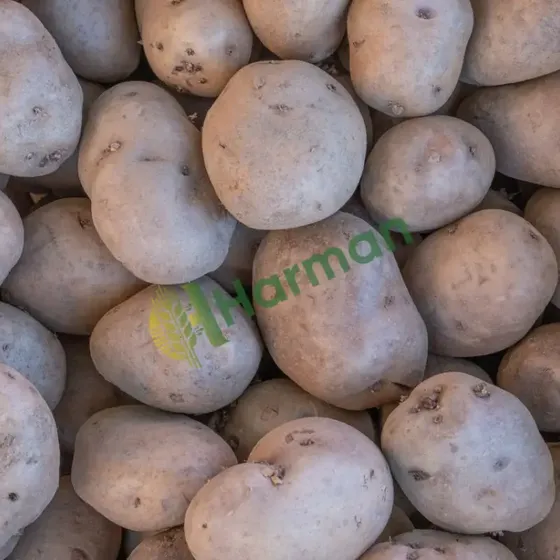
Digging potatoes feels like a treasure hunt, and homegrown ones come in flavors and colors you will never find in a store. A small patch yields a surprising harvest.
When and how to plant
Potatoes are planted from seed pieces in cool soil around the last frost, as the dates above show, since the young shoots can be nipped by a hard freeze. Wait until the ground is workable but not soggy.
Care
Give them full sun and loose, slightly acidic soil, and mound soil up around the stems as they grow to protect the tubers from light. Steady water while they bulk up improves the crop.
Common problems
Colorado potato beetles and scab are the common problems. Rotating where you plant and hand-picking beetles keep them in check.
Harvest
Dig new potatoes once the plants flower, or wait until the tops die back for full-size storage potatoes. Cure them briefly in a dark, airy place before storing.
Popular Potatoes varieties to grow
Choose potatoes by harvest use, new potatoes, baking, storage, or frying, plus maturity date and skin color. Gardeners often do well with one early variety for fast harvest and one late keeper for storage.
| Variety | Type | Days | Notes | Best for |
|---|---|---|---|---|
| Yukon Gold | yellow-fleshed | 65 to 80 | A classic all-purpose potato with golden flesh, moist texture, and excellent flavor. It is widely grown for both fresh harvest and kitchen versatility. | roasting, mashing, all-purpose use |
| Kennebec | white potato | 80 to 100 | A dependable variety with high yields and good resistance to some tuber defects. Flesh is white and useful for frying, baking, and general cooking. | frying, storage |
| Russet Burbank | russet baking | 100 to 120 | The traditional long russet with dry flesh and classic baking quality. It needs a longer season than many early home-garden varieties. | baking, fries, storage |
| Red Pontiac | red-skinned | 80 to 100 | A widely grown red potato with white flesh and good adaptability. It is often favored for boiling and fresh summer harvests. | boiling, new potatoes |
| Red Norland | early red | 70 to 80 | An early red potato that bulks quickly and gives smooth attractive tubers. It is popular where gardeners want a fast red potato crop. | early harvests, boiling |
| German Butterball | yellow heirloom | 90 to 110 | A richly flavored yellow-fleshed potato with good texture for baking and roasting. It is also regarded as a decent keeper. | roasting, storage |
| Adirondack Blue | blue-fleshed specialty | 80 to 95 | A colorful potato with blue skin and blue flesh that keeps much of its color in cooking. It adds novelty and visual interest to the garden and plate. | specialty use, colorful harvests |
| Fingerling | fingerling group | 90 to 110 | Fingerling potatoes, including popular strains like Russian Banana, produce small elongated tubers with fine texture. They are especially prized for roasting whole. | roasting, gourmet use |
Variety notes are general guidance for US home gardens; local performance varies by climate and season. Availability differs by seed supplier.
Growing Potatoes in containers
Potatoes are very suitable for grow bags, tubs, or deep pots. Use a container at least 15 to 20 gallons and 16 inches deep with generous drainage, planting seed potatoes in loose potting mix and adding mix around stems as they grow. Keep soil consistently moist but never soggy, and use a balanced vegetable fertilizer, avoiding excessive nitrogen; compact or fingerling varieties are especially convenient for containers.
Watering & feeding Potatoes
Provide roughly 1 to 2 inches of water weekly, with the higher end often needed during hot weather and tuber formation. Potatoes are thirsty during active growth but are vulnerable to rot in waterlogged soil. Water deeply and evenly at the base so moisture reaches the developing tubers, preferably in the morning. Mulch can moderate soil moisture, while wilting, dry soil, cracking, or small tubers suggest too little water and yellowing in saturated soil suggests too much.
Potatoes are moderate to heavy feeders that need soil prepared with compost and adequate phosphorus and potassium. Use nitrogen carefully, because too much promotes leafy growth at the expense of tubers. Feed at planting according to a soil test, then side-dress lightly when plants are established and again around early tuber development if soil fertility is low. Avoid late or heavy nitrogen applications, especially after flowering begins. Keep soil evenly moist while tubers are sizing, then reduce irrigation as vines die back before harvest. Hill soil around plants to protect tubers from light.
Saving Potatoes seeds
Potatoes are normally preserved by saving disease-free seed tubers, not botanical seed, because tubers make genetic clones that retain the variety. True potato seed from berries does not come true, even from an open-pollinated potato, and F1-derived plants will vary greatly. If deliberately breeding, harvest fully ripe berries, ferment or soak the pulp to free the tiny seeds, rinse, dry completely, and store them cool and dry. Botanical potato seed can remain viable about 3 to 5 years, while saved tubers are stored only until the next planting season.
Potatoes companion plants
Grow potatoes with bush beans, lettuce, spinach, and marigolds. Bush beans can add nitrogen to the system, while shallow, quick greens use open space before potato plants fill out, and marigolds can support beneficial insects. Avoid tomatoes, peppers, eggplants, and other potatoes nearby because they share major pests and diseases, especially Colorado potato beetles and late blight.
When to plant Potatoes near you
Get the exact start-indoors, transplant, and fall planting dates for Potatoes at your location.
Frequently asked questions about Potatoes
When should I plant potatoes?
Plant potatoes in spring once the soil can be worked and is at least cool to mildly warm, often 2 to 4 weeks before the last frost. In hot-summer climates, early planting is especially important.
How long do potatoes take to grow?
Most potatoes take about 80 to 120 days to reach full size. You can often harvest small new potatoes earlier, around 60 to 80 days.
How far apart should I space potato plants?
Space seed pieces about 10 to 12 inches apart in rows 2 to 3 feet apart. Give them room for hilling and tuber development.
Can I grow potatoes in containers or grow bags?
Yes, potatoes do well in large containers, grow bags, or raised beds with loose soil and good drainage. Use a container deep enough to support hilling and steady moisture.
How do I know when potatoes are ready to harvest?
For new potatoes, harvest after plants flower or once tubers are large enough to eat. For storage potatoes, wait until vines yellow and die back, then dig carefully after skins have firmed up.
General guidance for US home gardens. Reference figures are typical values; your exact timing depends on your local frost dates and variety. Page updated Sep 19, 2026.