
Potatoes Nutrition & Uses
Potatoes are a major staple crop in the United States and one of the most flexible ingredients in home cooking. They can be crisp, fluffy, creamy, or firm depending on the variety and method.
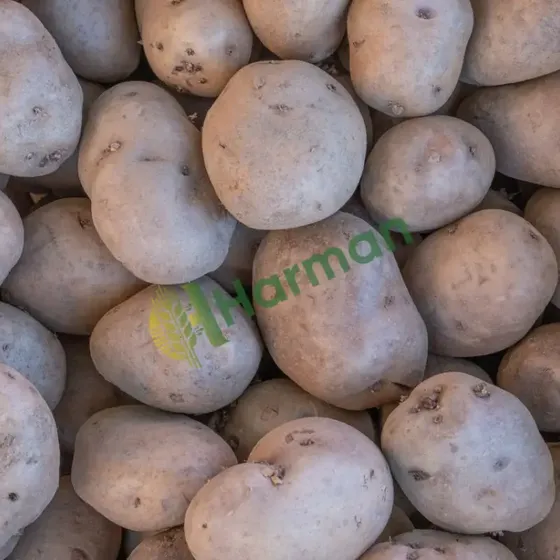
Nutritional profile
Potatoes are higher in starch and calories than watery vegetables, but they are still naturally fat free. USDA FoodData Central data show that they are a good source of potassium and vitamin C, and they also provide vitamin B6. They contain fiber, especially when the skin is eaten, and their water content is still fairly high for a starchy food.
In the kitchen
Potatoes are baked, mashed, roasted, fried, boiled, steamed, and turned into soups, gratins, and salads. Russets are common for baking and mashing, while waxier potatoes hold their shape better in salads and stews. They are used in everything from hash browns and fries to chowders and sheet-pan dinners.
Choosing & preparing
Choose potatoes that feel firm and heavy, with no major soft spots, sprouts, or green patches. Scrub the skin well before cooking, especially if you plan to leave it on. Peel only if the dish calls for it.
Flavor pairings
Potatoes pair well with butter, cream, garlic, rosemary, thyme, cheese, onions, and smoked flavors. They also work well with eggs, chicken, beef, and sausages.
Tips
Dry heat gives potatoes a crisp exterior, while moist heat keeps them softer and more tender. Cooling cooked potatoes before using them in salad changes their texture and helps them hold together. Save peels for stock, crisp toppings, or compost if they are clean and sound.
General food-composition information based on USDA FoodData Central. This is not medical or dietary advice; for personal guidance, consult a registered dietitian or your doctor. Page updated Sep 18, 2026.