
Potatoes Crop Rotation
Potatoes need rotation because they are vulnerable to a long list of soilborne diseases and insect pests that can persist from year to year. Keeping them out of the same bed helps protect yield and tuber quality.
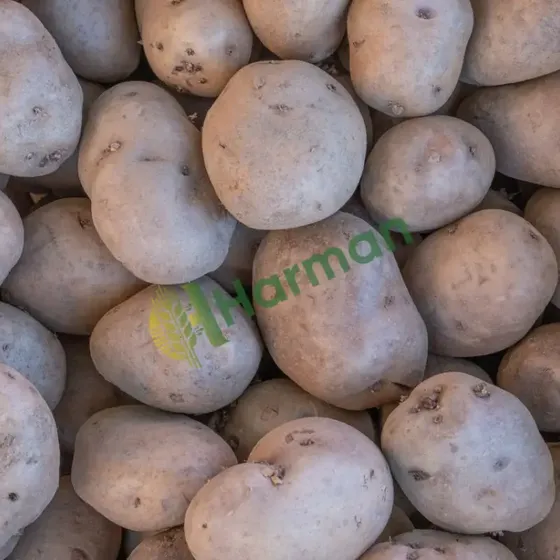
Plant family
Potatoes are members of the nightshade family. Their common garden relatives include tomatoes, peppers, and eggplant, and these crops often share disease and pest issues.
Why rotate potatoes
Potatoes can increase the risk of scab, black scurf, wilts, nematodes, and other problems that persist in soil or crop residue. They also have a fairly high nutrient demand, especially for potassium. When potatoes follow potatoes or other nightshades too closely, pest and disease pressure usually rises. Rotation helps interrupt these cycles and spreads nutrient demand across the garden.
What to plant after
Potatoes often do well after peas, beans, or a cover crop that improves soil structure. They can also follow lettuce or spinach if the bed has been amended and weed pressure is low.
What to avoid
Avoid planting potatoes before or after tomatoes, peppers, or eggplant. These crops share important diseases, so repeated planting in the same family can create serious problems in small gardens.
Example rotation
One rotation is peas in year one, potatoes in year two, and broccoli or cabbage in year three. Another option is leafy greens, then potatoes, then beans, then carrots or beets.
Tips
Harvest carefully and remove small missed tubers so volunteer potatoes do not carry pests and disease into the next season. Give potatoes a break of at least 3 years from other nightshades whenever possible.
General guidance for US home gardens. Adapt to your own crops, soil, and space; your Cooperative Extension office can help with a plan for your area. Page updated Sep 19, 2026.