
Growing guide · Vegetable
How to Grow Popcorn
Days to maturity100 days
Spacing10 in
SeasonWarm-season
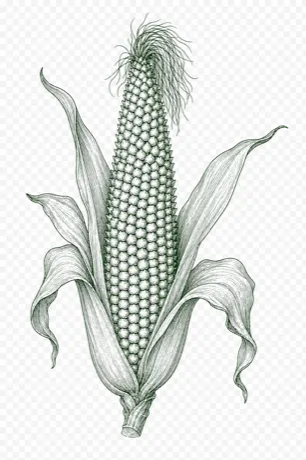
Popcorn is a type of flint corn that US gardeners grow for the simple thrill of harvesting kernels that actually pop over the stove or in an air popper. Unlike sweet corn, the ears are left to dry hard right on the stalk, so by fall you are pulling down husks that rattle with glassy, jewel-toned kernels in shades of white, yellow, red, and blue. A single 8 by 8 foot block can supply a family with popping corn for much of the winter.
When and how to plant
Popcorn is a warm-season crop that any frost will kill, so wait until all danger of spring frost has passed and the soil has warmed to at least 60 degrees F, usually 1 to 2 weeks after the last frost. Corn resents root disturbance, so direct sow the seed rather than starting transplants, planting 1 to 2 inches deep. Choose a spot with full sun, at least 6 to 8 hours a day, and rich, well drained soil. Always plant in a block of at least three or four short rows rather than one long row, because corn is wind pollinated and needs neighbors nearby to fill out every ear.
Care
Corn is a heavy feeder and drinker, so keep the soil consistently moist, giving about 1 to 1.5 inches of water a week and watering deeply during the critical tasseling and ear-filling weeks. Work compost or aged manure into the bed before planting and side dress with a nitrogen source when plants reach knee high and again when they begin to tassel. Thin seedlings to stand about 8 to 12 inches apart in the row with rows 24 to 36 inches apart. Hilling a little soil around the stalk bases helps anchor the tall plants against summer wind, and popcorn generally needs no staking.
Common problems
Common pests include corn earworm, which tunnels into the ear tip, European corn borer in the stalks, and raccoons and birds that raid ripening ears. A few drops of mineral oil on the silks after pollination can discourage earworms, and floating row cover over young plants keeps early pests off. Rotate corn to a fresh spot each year and clean up old stalks to reduce rust, smut, and overwintering borers. Keeping plants well spaced and watered at the base rather than overhead helps foliage dry quickly and limits leaf diseases.
Harvest
Popcorn is not picked green like sweet corn, instead you leave the ears on the stalk as long as possible so the kernels dry and harden in place. The crop is ready when the husks are papery and brown, the kernels feel hard and glossy, and you cannot dent them with a thumbnail, usually well into fall roughly 95 to 120 days after sowing. Twist and pull the mature ears from the stalk, then peel back the husks. If frost or wet weather threatens before the ears are fully dry, pick them and finish drying indoors.
Popular Popcorn varieties to grow
Choose popcorn by plant height, kernel color, and whether you want a compact planting or more ornamental appeal. Good drying and proper curing matter as much as variety for popping quality.
| Variety | Type | Days | Notes | Best for |
|---|---|---|---|---|
| Strawberry | ornamental popcorn, red | 100 | A well-known popcorn with small red ears shaped like strawberries. It is both decorative and usable for popping after proper drying. | ornamental use, small-batch popping |
| Tom Thumb | dwarf popcorn | 85 | A compact popcorn that stays much shorter than standard corn. It works well in small gardens and can still produce usable ears. | small gardens, containers |
| Robust 997 | yellow popcorn | 105 | A classic yellow popping corn grown for dependable popping performance. Plants are standard corn size and need a full warm season. | home popcorn, storage |
| Japanese Hulless | white popcorn | 100 to 110 | An heirloom popcorn with smaller kernels that pop into tender flakes with fewer hulls than many standard types. It is popular among home growers for eating quality. | tender popcorn, heirloom gardens |
| Dakota Black | black popcorn | 95 to 100 | Produces dark kernels that are striking on the ear and suitable for popping. It combines ornamental value with practical use. | ornamental planting, popping |
| Carousel | multicolor popcorn | 100 | A colorful popcorn with ornamental ears in mixed shades. It is often grown for fall display and later popped in small batches. | decor, novelty popcorn |
Variety notes are general guidance for US home gardens; local performance varies by climate and season. Availability differs by seed supplier.
Growing Popcorn in containers
Popcorn is possible in containers, but it is less practical than many vegetables because plants are tall, wind-pollinated, and need a block of plants for full ears. Use several 5 gallon containers, each at least 12 inches deep, or a large 20 gallon trough, with drainage holes and fertile potting mix. Keep soil consistently moist and feed regularly through rapid growth, then grow at least 9 to 16 plants close together in full sun for pollination.
Watering & feeding Popcorn
Provide about 1 to 1.5 inches of water weekly from rain and irrigation. It is a thirsty crop during hot weather and the flowering and ear-filling stages. Water deeply at the soil line so moisture reaches the main root zone, preferably in the morning. Mulch helps conserve water, and curled leaves or dry soil suggest drought stress, while constantly soggy soil, yellowing, or poor vigor can indicate overwatering.
Popcorn is a heavy feeder, with nitrogen especially important for leafy growth and ear production. Work compost or other organic matter into the bed before planting, and use a soil test to guide phosphorus and potassium needs. Apply a balanced, soil-test-informed fertilizer at planting, then side-dress with nitrogen when plants are actively growing and again before or around tasseling if needed. Avoid late or excessive nitrogen, which can produce lush growth without improving mature ears. Keep soil evenly moist while plants tassel and ears form. Once ears approach maturity, reduce irrigation so the kernels can dry properly on the plant.
Saving Popcorn seeds
Save fully mature, dry ears from open-pollinated or heirloom popcorn, since F1 hybrids do not come true from seed. Leave husks on the plants until the kernels are hard, then harvest before prolonged wet weather and finish drying the ears under cover with good airflow. Shell only when kernels are thoroughly dry, discard moldy kernels, and store seed in an airtight container in a cool, dry place. Properly dried popcorn seed is usually viable for about 2 to 3 years.
Popcorn companion plants
Grow popcorn with pole beans and a low, nonaggressive squash or pumpkin, using the corn stalks as support and the squash foliage to cover soil. Beans are legumes and can contribute nitrogen over time, while flowering border plants such as sweet alyssum can support beneficial insects. Avoid planting popcorn close to other corn varieties, especially sweet corn, because cross-pollination changes kernel quality, and avoid overcrowding it with tall crops that reduce sun and air movement.
When to plant Popcorn near you
Get the exact start-indoors, transplant, and fall planting dates for Popcorn at your location.
Frequently asked questions about Popcorn
When should I plant Popcorn?
Plant popcorn outdoors after your last spring frost has passed and the soil has warmed to at least the low 60s Fahrenheit, usually mid to late spring in most US regions. Popcorn seed rots in cold, wet soil, so waiting for warmth gives you the best germination.
How long does Popcorn take to grow?
Popcorn is a long-season crop and typically needs about 90 to 120 days from planting to a fully mature, dry harvest, longer than sweet corn. Choose a variety suited to your season length if you live in a cooler or short-summer area.
How much sun does Popcorn need?
Popcorn needs full sun, meaning at least 6 to 8 hours of direct sunlight per day. Less sun leads to weak stalks and poorly filled ears.
How far apart should I space Popcorn plants?
Space plants roughly 8 to 12 inches apart within rows and set rows about 2 to 3 feet apart. Always plant popcorn in a block of several short rows rather than one long row, because it is wind pollinated and blocks produce much better filled ears.
Can I grow Popcorn in containers?
Popcorn is tall and wind pollinated, so it grows best in the ground, but you can try it in very large containers such as 15 gallons or more with several plants grouped together for pollination. Expect smaller yields, and you may need to hand pollinate by shaking the tassels over the silks.
How do I know when Popcorn is ready to harvest?
Let the ears stay on the stalk until the husks are dry and papery and the kernels are hard and fully colored, well after the eating stage of sweet corn. After picking, cure the ears in a warm, dry, airy spot for several weeks until the kernels pop cleanly when tested.
What are common problems when growing Popcorn?
Common issues include poorly filled ears from inadequate pollination, plus pests like corn earworms, raccoons, and birds, and diseases such as corn smut and rust. Planting in a block, keeping plants well watered during tasseling, and rotating where you grow corn each year all help reduce these problems.
General guidance for US home gardens. Reference figures are typical values; your exact timing depends on your local frost dates and variety. Page updated Sep 18, 2026.