
How to Store Popcorn
Because popcorn is stored dry, it keeps far longer than most vegetables, and the goal is to hold the kernels at just the right moisture so they pop well rather than scorch or stay tough. Proper curing before storage is the key step.
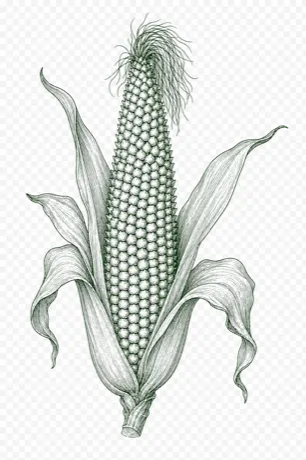
Best storage conditions
Store fully dried, shelled kernels in a cool, dry place, ideally around 50 to 60 degrees F, in airtight glass jars or food-safe containers. The surrounding air should be dry, since damp storage lets kernels take on humidity and pop poorly. A pantry, cabinet, or basement shelf away from heat and sunlight works well.
How long it keeps
Well cured popcorn stored airtight will keep its popping quality for a year or more, and often two to three years, though the freshest kernels with ideal moisture pop most fully. Over long storage some kernels may dry out too far and leave more unpopped duds.
Storage methods
The main method is simply drying. Cure ears in a warm, airy, rodent-proof spot for several weeks to a couple of months, then rub the kernels off the cob by hand or by twisting two ears together. Test-pop a small batch, and if many kernels stay unpopped and hard, the corn is too dry, while chewy or steamy results mean it needs more drying time.
Freezing & preserving
Popcorn is preserved by drying rather than canning or fresh freezing. If you want to slow the loss of moisture in very dry storage conditions, kernels can be sealed in airtight jars, and a short spell in the freezer in a sealed container can help rehydrate slightly and rest overly dry kernels before popping. There is no home canning process for dry popcorn, so ignore any canning instructions for this crop. If you ever put up corn as a low-acid canned vegetable in other forms, always follow tested USDA or NCHFP recipes using a pressure canner.
Tips
Label each jar with the variety and harvest year so you can track which kernels pop best. If a batch pops poorly and leaves many hard kernels, add a teaspoon of water per quart, shake, and let it rest a few days before trying again.
General home-storage guidance. For home canning and preserving safety, follow USDA and National Center for Home Food Preservation (NCHFP) guidelines. Page updated Sep 18, 2026.