
Popcorn Pests & Diseases
Popcorn is a type of corn and shares the same pests and diseases as sweet and field corn, most notably corn earworm feeding at the ear tips and fungal leaf diseases like common rust and northern corn leaf blight. Because the kernels must dry down fully on the stalk, the long season also invites ear rots and hungry wildlife.
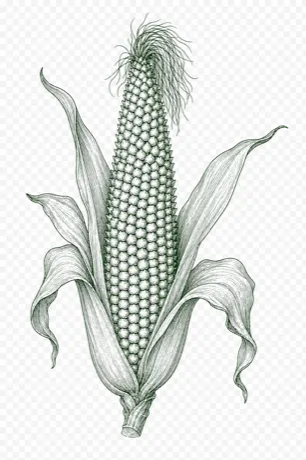
Common Popcorn pests
Corn earworm is the top pest, and you will find its striped caterpillars and moist frass at the ear tips after moths lay eggs on fresh silks. European corn borer and fall armyworm tunnel into stalks and whorls, leaving ragged shot hole feeding and sawdust like frass, while corn rootworm larvae chew roots and can cause plants to lean or lodge. Corn flea beetles punch tiny holes in leaves and can spread bacterial wilt, corn leaf aphids cluster on tassels and upper leaves, and cutworms clip young seedlings off at the soil line. Raccoons, squirrels, deer, and birds such as crows and blackbirds are often the most destructive pests of all, tearing open the drying ears right before harvest.
Common diseases
Common rust shows up as reddish brown, powdery pustules scattered on both leaf surfaces, while northern corn leaf blight appears as long, gray green, cigar shaped lesions on the leaves. Common smut forms swollen, silvery gray galls on ears, tassels, or stalks that later rupture into a dark spore mass. Stewart's wilt, a bacterial disease spread by flea beetles, causes pale streaks with wavy margins and can wilt seedlings, and gray leaf spot produces narrow, rectangular lesions bounded by the leaf veins. Various ear and stalk rots, along with maize dwarf mosaic virus that mottles and streaks the leaves, can also appear, especially on stressed or long standing plants.
Prevention
Rotate corn with unrelated crops so soil borne pests and disease spores do not build up, and avoid planting where corn grew the previous year. Choose disease resistant varieties, give plants full sun with generous spacing for airflow, and keep weeds down since they harbor aphids and other pests. Water at the base rather than overhead to keep the foliage dry, clean up and remove old stalks and debris after harvest, and plant in warm soil at the right time so seedlings grow quickly past their most vulnerable stage. Planting in blocks of several short rows rather than one long row improves pollination, which matters for well filled popcorn ears.
Organic control
For corn earworm, apply a labeled Bt (Bacillus thuringiensis) product or a horticultural oil to the silks a few days after they emerge and repeat as the label directs, which coats the ear tip where the larvae enter. Bt or spinosad sprays also help against fall armyworm and corn borer while small larvae are still feeding in the whorl, and insecticidal soap or a strong spray of water knocks back aphids. Encourage beneficial insects such as lady beetles, lacewings, and parasitic wasps, hand pick larger caterpillars, and use floating row covers over young plants, removing them at tasseling so pollination can occur. Always read and follow the product label, and protect ripening ears from wildlife with fencing, netting, or bags secured over the ears.
Scouting & monitoring
Scout weekly from the seedling stage on, checking early for cutworm damage and flea beetle shot holes, then watch the whorls for armyworm and borer frass as the plants grow taller. Once silks emerge, inspect the ear tips every few days for earworm eggs and young larvae, since timing your controls to that window is the key to clean ears. Check the lower and middle leaves through the summer for rust pustules and blight lesions, and keep an eye out for raccoon and bird damage as the ears begin to dry down.
Tips
Timing is everything with popcorn, and treating the silks right after they emerge is the single most effective way to prevent wormy ear tips. Let the ears dry fully on the stalk for good popping, but stay ahead of raccoons and birds with fencing or netting so wildlife does not beat you to the harvest.
General home-garden IPM guidance, focused on prevention and least-toxic control. Always read and follow the product label for any pesticide, including organic products. Page updated Sep 18, 2026.