
Growing guide · Vegetable
How to Grow Peppers
Days to maturity70 days
Spacing18 in
SeasonWarm-season
Start indoors8 wk pre-frost
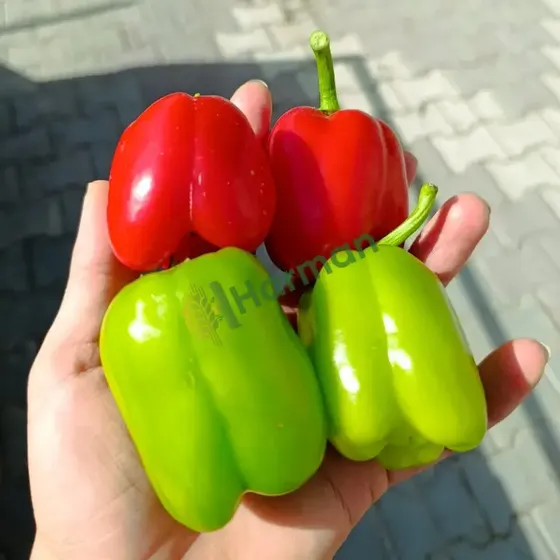
Peppers reward patience with a long, productive season, from sweet bells to fiery chiles. The plants are compact and handsome enough to tuck into a flower bed.
When and how to plant
Peppers love heat and sulk in cold soil, so wait until the last frost is well behind you before planting out, per the dates above. Start seeds indoors early, since peppers are slow to get going.
Care
Plant peppers in full sun and warm, well-drained soil, and keep water even once fruit sets. A little support helps heavy-bearing plants stay upright.
Common problems
Aphids and, in some regions, sunscald on exposed fruit are the main issues. Healthy leaf cover and steady moisture keep plants resilient.
Harvest
You can pick peppers green or leave them to ripen to red, yellow, or orange for more sweetness and heat. Cut rather than pull them so you do not snap the brittle branches.
Popular Peppers varieties to grow
Pick pepper varieties by heat level or sweetness, fruit size, earliness, and plant productivity. In much of the US, early and compact types are useful where summers are short, while long-season gardeners can grow larger bells and specialty peppers.
| Variety | Type | Days | Notes | Best for |
|---|---|---|---|---|
| California Wonder | sweet bell, heirloom | 70 to 75 | A classic bell pepper with blocky green fruit that ripens red. Plants are dependable and widely adapted for home gardens. | fresh eating, stuffing |
| King of the North | sweet bell, open-pollinated | 68 to 75 | An early bell selected for cooler climates and shorter seasons. It produces blocky fruit sooner than many standard bell peppers. | short seasons, fresh use |
| Ace | sweet bell, open-pollinated | 50 to 60 | A very early bell type with medium-sized green fruit that ripens red. It is often chosen where a fast crop matters more than very large fruit. | early harvests, northern gardens |
| Jalapeno M | hot jalapeno | 70 to 75 | A standard jalapeno with thick-walled dark green fruit and dependable production. Plants are compact enough for many small gardens. | salsas, pickling |
| Hungarian Wax | hot, wax pepper | 58 to 70 | A productive pepper with tapered yellow fruit that can be used mild when young and hotter as it matures. It performs well across a range of summer conditions. | pickling, frying |
| Anaheim | mild chile | 75 to 80 | A long green chile pepper with mild heat and good size for roasting. Plants are productive in warm summer gardens. | roasting, stuffing |
| Sweet Banana | sweet frying | 65 to 72 | Produces elongated pale yellow fruit with mild flavor and thin walls. Plants are easy to grow and often set heavily. | pickling, fresh eating |
| Cayenne Long Slim | hot cayenne | 70 to 75 | A classic red hot pepper with narrow curved fruit and strong heat. It is easy to dry and dependable in warm conditions. | drying, hot sauce |
Variety notes are general guidance for US home gardens; local performance varies by climate and season. Availability differs by seed supplier.
Growing Peppers in containers
Peppers grow very well in containers and appreciate warm, sunny locations. Use a 3 to 5-gallon pot at least 12 inches deep with drainage holes and a light, fertile potting mix. Keep soil evenly moist but never waterlogged, feed every 2 to 4 weeks after flowering begins, and choose compact bell, jalapeno, or patio pepper varieties for smaller pots.
Watering & feeding Peppers
Give roughly 1 to 1.5 inches of water per week, adjusted for heat, rainfall, soil type, and container growing. Peppers are moderately thirsty but dislike constantly saturated roots. Water deeply at the base in the morning, then allow the upper soil surface to dry a little before watering again. Mulch stabilizes soil moisture, container plants may need frequent checks, and drooping in dry soil suggests thirst while yellowing or limp plants in wet soil may be overwatered.
Peppers are moderate feeders and benefit from compost-rich, well-drained soil. Phosphorus and potassium support flowering and fruiting, while excess nitrogen can delay fruit production. Add compost or a balanced garden fertilizer at planting if needed, then feed lightly after flowering or when fruit begins to form. Do not fertilize heavily or repeatedly with nitrogen-rich products. Consistent moisture helps prevent stress during flowering and fruit set. Check soil a few inches down before watering instead of relying only on the surface appearance.
Saving Peppers seeds
Save seed from open-pollinated or heirloom peppers, since F1 hybrids will not reliably produce the same plant or fruit. Let pods ripen fully to their mature color, remove the seeds, and keep varieties separated because peppers can cross-pollinate. Spread seeds in a single layer and dry thoroughly for 1 to 2 weeks before airtight storage in a cool, dark, dry place. Pepper seed usually stores well for about 2 to 4 years.
Peppers companion plants
Grow peppers with sweet alyssum, marigolds, basil, and bush beans. Alyssum and marigolds add flowers for beneficial insects, basil can fit between well-spaced plants, and beans contribute nitrogen through their root-associated bacteria. Avoid nearby potatoes and tomatoes when disease pressure is high because they share several solanaceous pests and diseases. Keep peppers away from black walnut trees because juglone can injure them.
When to plant Peppers near you
Get the exact start-indoors, transplant, and fall planting dates for Peppers at your location.
Frequently asked questions about Peppers
When do I plant peppers outside in the US?
Set peppers out after the last frost, when the soil is warm and nighttime temperatures are reliably above about 55 F. Peppers dislike cool weather and can stall if planted too early.
How long do peppers take to grow?
Most bell and sweet peppers take about 60 to 90 days from transplanting, while many hot peppers take longer. Seed packets often list days from transplant, not from sowing seed.
How much sun do pepper plants need?
Peppers need full sun, ideally 6 to 8 or more hours per day. In very hot areas, a little afternoon shade can help reduce stress.
How far apart should pepper plants be spaced?
Space peppers about 12 to 18 inches apart, with 24 to 36 inches between rows. Good spacing improves airflow and makes harvesting easier.
Can peppers be grown in pots?
Yes, peppers grow well in containers. Use at least a 3 to 5 gallon pot per plant, and keep the soil evenly moist for best fruit set.
Why are my pepper leaves turning yellow or my plants dropping flowers?
Yellow leaves often come from overwatering, poor drainage, or a nutrient imbalance. Flower drop is common during temperature swings, especially when nights are cool or daytime heat is extreme.
General guidance for US home gardens. Reference figures are typical values; your exact timing depends on your local frost dates and variety. Page updated Sep 18, 2026.