
Peppers Nutrition & Uses
Peppers bring color, crunch, sweetness, or heat depending on the type. In American cooking, bell peppers are widely used for their mild flavor, while hot peppers are used in smaller amounts for spice.
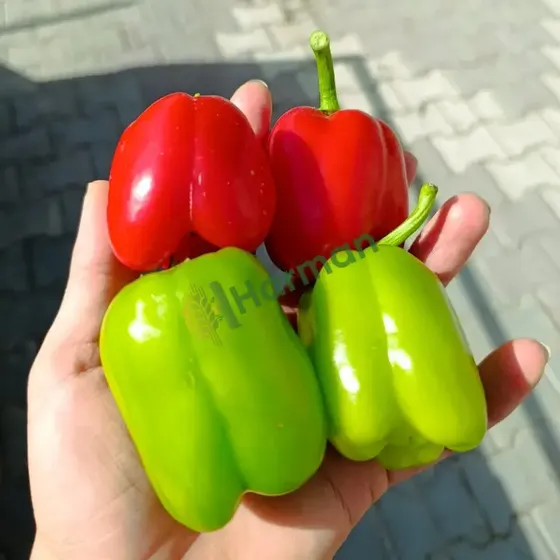
Nutritional profile
Peppers are low in calories and high in water. USDA FoodData Central data show that many peppers, especially sweet bell peppers, are excellent sources of vitamin C and also provide vitamin A, vitamin B6, and folate. They contain some fiber, with more in the flesh and skin than in the seeds.
In the kitchen
Sweet peppers are eaten raw with dips, chopped into salads, or cooked in fajitas, stir-fries, soups, and stuffed pepper dishes. Hot peppers are sliced into salsas, sauces, stews, and marinades. Roasting peppers softens them and adds a sweeter, smoky flavor.
Choosing & preparing
Choose peppers with glossy, firm skin and no wrinkling or soft spots. They should feel heavy for their size. Rinse before cutting, and remove seeds and ribs if you want a milder flavor or cleaner texture.
Flavor pairings
Peppers pair well with onions, garlic, tomatoes, eggs, beans, rice, cheese, citrus, and grilled meats. Hot peppers also work well with vinegar and herbs.
Tips
Red, orange, and yellow bell peppers are usually sweeter than green ones. Roasted peppers can be peeled for a softer texture in sauces and spreads. Extra peppers freeze well sliced for cooked dishes.
General food-composition information based on USDA FoodData Central. This is not medical or dietary advice; for personal guidance, consult a registered dietitian or your doctor. Page updated Sep 18, 2026.