
Peppers Crop Rotation
Peppers need rotation for much the same reason tomatoes do, though they are often overlooked in small gardens. Moving peppers to a new bed helps reduce disease carryover and keeps plants more productive.
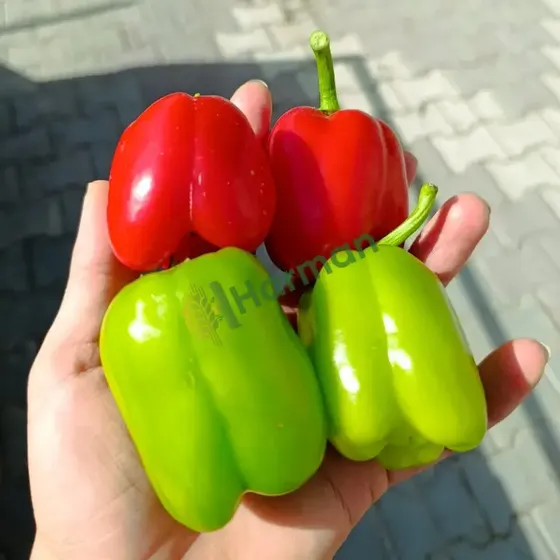
Plant family
Peppers are part of the nightshade family. Their common relatives include tomatoes, potatoes, and eggplant, and all of these crops can share important pests and diseases.
Why rotate peppers
Peppers can be affected by bacterial spot, wilt diseases, root rots, and nematodes that survive in soil or crop debris. They are also warm-season crops that stay in the garden for a long time and use a steady supply of nutrients. When peppers follow peppers or other nightshades too closely, disease pressure often increases and plants may decline earlier. Rotation helps reduce those risks.
What to plant after
Peppers do well after peas or beans because legumes can help support the next crop's nitrogen needs. They also fit after spinach, lettuce, or onions when the bed is fertile and well drained.
What to avoid
Avoid planting peppers before or after tomatoes, potatoes, or eggplant. These nightshade crops share too many diseases to keep them close together in a tight rotation.
Example rotation
A simple plan is peas in year one, peppers in year two, and cabbage or beets in year three. Another option is spring greens, then peppers, then beans the following season.
Tips
Group all nightshades together when you map your garden so rotation is easier to manage. Remove diseased pepper plants promptly and do not leave old roots in the bed over winter.
General guidance for US home gardens. Adapt to your own crops, soil, and space; your Cooperative Extension office can help with a plan for your area. Page updated Sep 20, 2026.