
The Cost of Growing Peppers
Peppers can be a strong fresh market crop for small farms, especially sweet bell, specialty sweet, and hot pepper types. They usually require more season length and management than quick greens, but they can offer good direct market value and repeated harvests. The economics improve when growers maintain steady quality and sell types that fit local demand.
Startup costs
Startup costs typically include seed or purchased transplants, greenhouse propagation supplies, soil preparation, mulch, and drip irrigation. In cooler regions, peppers may also benefit from row cover or protected culture, which raises initial costs. Stakes or support lines are often needed for heavier fruiting varieties. Harvest bins and shaded packing space matter because quality drops when fruit sits in field heat.
Ongoing costs
Recurring costs include transplanting, irrigation, fertility, weeding, harvest labor, and repeated picking through the season. Labor can be substantial because peppers are usually harvested multiple times at different ripeness stages. Cull rates from sunscald, misshapen fruit, or delayed harvest also affect ongoing returns.
Yield & how it sells
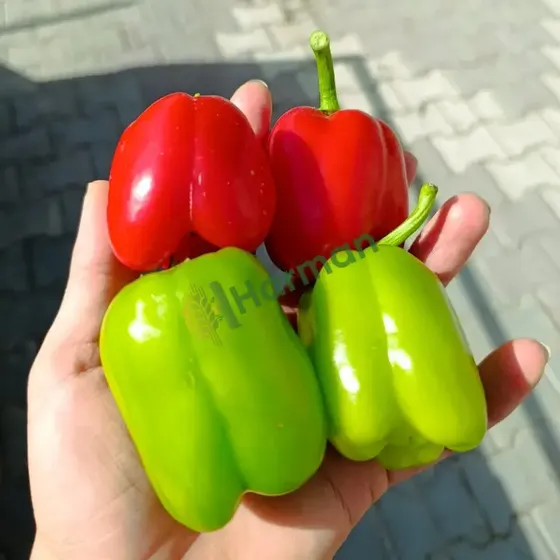
Peppers can yield steadily over a long harvest period, with sales by the pound, by the basket, or by mixed specialty packs. Green fruit often reaches market sooner, while fully colored fruit can bring higher direct market value if the crop and weather allow time to finish. Hot peppers may have smaller yield by weight but can still bring strong value in niche markets.
What makes it profitable
Peppers can be profitable for small growers when sold through farmers markets, CSA programs, local groceries, or restaurant accounts that reward freshness and variety. Profitability depends on getting good transplant establishment and maintaining harvest frequency without excessive labor loss. Colored bells can be high value but take longer to mature, so the extra time and risk must be justified by the market. Specialty sweet and hot types often improve margins when matched to customer preferences.
Financial risks
Main risks include cool weather delays, blossom or fruit quality problems, disease pressure, and labor heavy harvesting. Peppers are less perishable than lettuce but still lose value when held too long or bruised. Price swings can happen when regional production peaks in late summer.
Tips to improve returns
Choose varieties based on your climate and market instead of treating all peppers as the same crop. Track whether colored harvests truly pay more after accounting for extra field time and losses. Use your local Cooperative Extension and Small Business Development Center to compare direct market and wholesale budgets.
General planning information, not financial or investment advice, and not a guarantee of profit. For real budgets, work with your Cooperative Extension office and local Small Business Development Center. Page updated Sep 18, 2026.