
Growing guide · Vegetable
How to Grow Green Beans
Days to maturity55 days
Spacing4 in
SeasonWarm-season
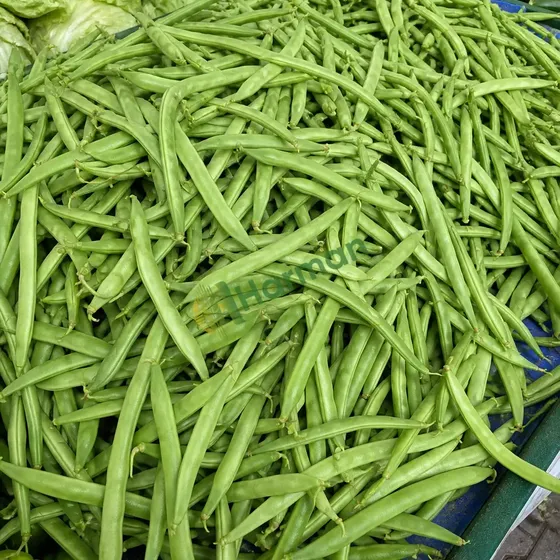
Green beans are quick, dependable, and productive, whether you grow compact bush types or climbing pole beans. They are a classic first crop for new gardeners and children.
When and how to plant
Beans are frost-tender and resent cold soil, so sow them directly once frost has passed, as the dates above indicate. They germinate best when the ground has warmed.
Care
Full sun and even moisture are all beans really ask; they even improve the soil as they grow. Pole beans need a trellis, while bush beans stand on their own.
Common problems
Mexican bean beetles and, in wet spells, fungal spots can appear. Avoiding handling plants when wet limits disease.
Harvest
Pick beans while slim and snappy, before the seeds inside bulge. Frequent picking keeps the plants flowering and setting more pods.
Popular Green Beans varieties to grow
Pick green beans by plant habit, harvest window, and whether you want filet, snap, or romano pods. Bush beans give concentrated harvests, while pole beans yield longer if you have a trellis.
| Variety | Type | Days | Notes | Best for |
|---|---|---|---|---|
| Provider | bush snap | 50 | A very dependable bush bean that germinates well in cool soil and yields early. Pods are round, medium green, and produced heavily. | early crops, dependable production |
| Blue Lake 274 | bush snap | 58 | A bush form of the well-known Blue Lake type, with straight tender pods and good flavor. It is a standard all-purpose garden bean. | fresh eating, freezing |
| Contender | bush snap | 50 to 55 | An early bush bean with good heat tolerance and consistent yields. Pods are meaty and harvest is fairly concentrated. | short seasons, canning |
| Kentucky Wonder | pole snap | 65 | A classic pole bean that climbs vigorously and produces long, flavorful green pods. It keeps bearing over a long season with regular picking. | continuous harvests, trellised gardens |
| Romano | pole flat pod | 65 to 75 | An Italian-style flat pod bean with broad, tender pods and rich bean flavor. Plants need support and regular harvests for best quality. | fresh cooking, specialty use |
| Fortex | pole filet | 70 to 75 | Produces long, slender, high-quality filet beans on vigorous vines. Pods stay tender at surprisingly large size. | gourmet fresh use, long picking season |
| Royal Burgundy | bush snap, purple pod | 55 | A bush bean with deep purple pods that turn green when cooked. Plants are compact and attractive in the garden. | fresh eating, garden color |
| Dragon Tongue | bush wax, heirloom | 55 to 60 | A Dutch heirloom with yellow pods streaked purple and excellent fresh flavor. Pods can be eaten young and tender or allowed to mature further for shelling. | fresh eating, specialty gardens |
Variety notes are general guidance for US home gardens; local performance varies by climate and season. Availability differs by seed supplier.
Growing Green Beans in containers
Green beans are productive and easy to grow in containers. Use a pot at least 8 to 12 inches deep and 12 inches wide for bush beans, or a 5-gallon container with a trellis for pole beans, always with drainage holes. Use fresh potting mix, water when the surface begins to dry, and feed lightly because excessive nitrogen encourages leaves over pods.
Watering & feeding Green Beans
Aim for roughly 1 inch of water per week, increasing modestly during sustained heat or when plants are producing heavily. Green beans have average water needs, but drought during flowering can cause poor pod set or tough pods. Water deeply at the base when the upper inch or so of soil begins to dry, and use mulch to moderate soil moisture. Morning watering and drip irrigation help keep leaves dry, while drooping in dry soil indicates underwatering and yellow leaves in soggy soil suggest excess water.
Beans are light to moderate feeders and prefer soil enriched with compost before planting. They can work with nitrogen-fixing bacteria, so excess nitrogen often produces lush foliage with fewer beans, while phosphorus and potassium support roots and pod production. In reasonably fertile soil, compost or a light preplant application based on a soil test is usually enough. If plants are pale or growth is weak, use a modest side-dressing early in the season, but do not repeatedly feed nitrogen after flowering starts. Keep moisture especially consistent from first bloom through harvest. Harvest pods often, because regular picking encourages continued production.
Saving Green Beans seeds
Save seed from open-pollinated or heirloom green beans, because F1 hybrids do not come true, although beans usually self-pollinate and are easy to keep true. Leave pods on the plant until they turn brown, papery, and dry, then shell out the hard seeds. Dry the seeds further indoors for about 1 to 2 weeks if needed, then store them cool, dark, and dry. Bean seed commonly remains viable about 3 to 4 years.
Green Beans companion plants
Grow green beans with carrots, cucumbers, corn, and summer savory. Beans have a modest nitrogen benefit through their root-associated bacteria, corn provides a support for pole beans, and carrots use a different root zone. Summer savory is a compact flowering herb that can fit at an edge and support beneficial insects. Avoid planting beans near black walnut trees because juglone can inhibit growth, and avoid dense plantings beside tall, thirsty crops that shade or outcompete them.
When to plant Green Beans near you
Get the exact start-indoors, transplant, and fall planting dates for Green Beans at your location.
Frequently asked questions about Green Beans
When should I plant green beans?
Sow green beans after the last frost, once the soil has warmed to about 60 F or more. Beans sprout poorly in cold, wet soil.
How long do green beans take to grow?
Bush beans are often ready in about 50 to 60 days, while pole beans usually take 55 to 70 days. Pole beans often keep producing longer once they start.
How much sun do green beans need?
Green beans grow best in full sun, with at least 6 to 8 hours daily. They can tolerate a little shade but yields are usually lower.
How far apart should green beans be spaced?
Space bush beans about 3 to 6 inches apart in rows, and pole beans about 4 to 6 inches apart along a trellis. Follow the variety because growth habit matters.
Can green beans grow in containers?
Yes, especially bush beans. Pole beans also work in containers if the pot is large enough and you provide a sturdy support.
When should I harvest green beans?
Pick pods when they are firm, crisp, and about pencil-thick, before seeds bulge strongly inside. Frequent picking encourages more production.
General guidance for US home gardens. Reference figures are typical values; your exact timing depends on your local frost dates and variety. Page updated Sep 18, 2026.