
Green Beans Nutrition & Uses
Green beans are a common side dish vegetable and a frequent addition to casseroles, salads, and skillet meals. They have a grassy flavor and a texture that can stay crisp or turn tender depending on cooking time.
Nutritional profile
Green beans are low in calories and high in water. USDA FoodData Central data show that they provide fiber and are a source of vitamin C, vitamin K, and folate. They are lighter in starch than shell beans and more similar to other non-starchy vegetables in calorie level.
In the kitchen
Green beans are steamed, blanched, sauteed, roasted, and braised. They are used in holiday casseroles, nicoise-style salads, stir-fries, and simple buttered side dishes. Quick cooking keeps them brighter and crisper, while longer cooking makes them softer and more savory.
Choosing & preparing
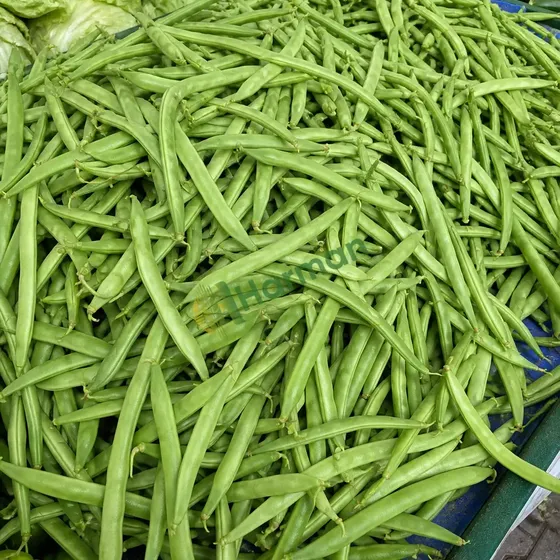
Choose beans that look bright and feel firm, not limp or rubbery. Smaller beans are often more tender, while larger ones can be more fibrous. Rinse and trim the stem ends before cooking.
Flavor pairings
Green beans pair well with garlic, shallots, almonds, lemon, butter, bacon, tomatoes, mushrooms, and mustard. They also work well with soy sauce and sesame.
Tips
Blanching before sauteing helps keep green beans bright and evenly cooked. Overcooking can make them dull and limp. Use extra beans in soups, pasta, or grain bowls the next day.
General food-composition information based on USDA FoodData Central. This is not medical or dietary advice; for personal guidance, consult a registered dietitian or your doctor. Page updated Sep 18, 2026.