
Green Beans Crop Rotation
Green beans are useful rotation crops because they usually leave the soil in better condition than heavy-feeding vegetables. They still benefit from rotation, especially to limit disease carryover and improve bed planning.
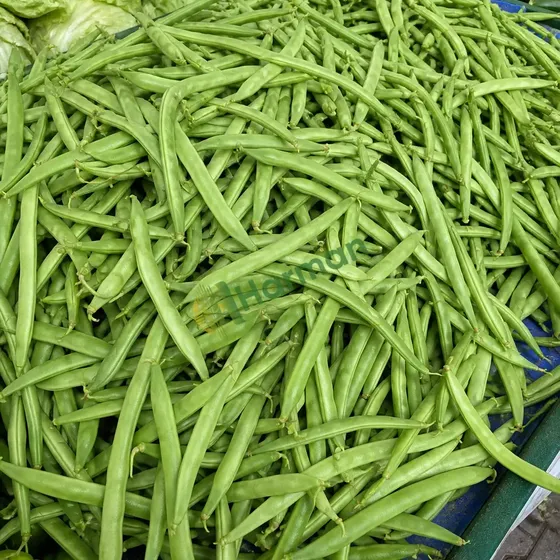
Plant family
Green beans are legumes. Common garden relatives include peas, lima beans, and southern peas, and these crops are often grouped together in rotation planning.
Why rotate green beans
Beans can develop root rots, blights, and other diseases that become more common if beans return to the same bed too often. They generally need less added nitrogen than many vegetables because legumes work with soil bacteria. Even so, repeated bean plantings can increase disease pressure and reduce stand quality. Rotation helps preserve the soil-building value of beans without inviting problems.
What to plant after
Beans are excellent before heavy feeders such as corn, cabbage, broccoli, tomatoes, and peppers. They also do well after root crops or leafy greens because those crops usually leave enough time and space for bean planting.
What to avoid
Avoid planting green beans right after peas or other legumes if you have had root disease problems. Also avoid following a crop that left severe weed pressure, since beans compete poorly early on.
Example rotation
One common rotation is carrots in year one, green beans in year two, and sweet corn in year three. Another is lettuce, then beans, followed by tomatoes or cabbage.
Tips
Use beans intentionally as a rotation bridge before nutrient-hungry crops. Pull and remove badly diseased bean plants after harvest so residue does not carry blight or rot into the next legume planting.
General guidance for US home gardens. Adapt to your own crops, soil, and space; your Cooperative Extension office can help with a plan for your area. Page updated Sep 19, 2026.