
Green Beans Pests & Diseases
Green beans (snap beans, Phaseolus vulgaris) are troubled most by leaf-feeding beetles like the Mexican bean beetle and by aphids, while their biggest disease pressures are bacterial blights, anthracnose, rust, and aphid-spread mosaic virus. Most of these problems are far easier to prevent with clean seed, rotation, and good airflow than to cure once established.
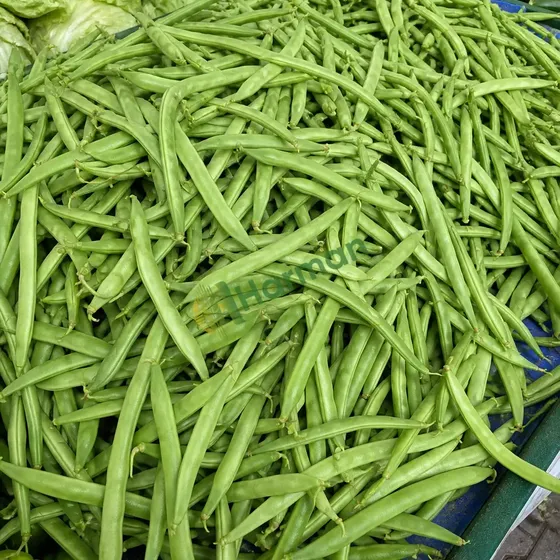
Common Green Beans pests
The Mexican bean beetle is the signature pest, looking like a coppery-tan ladybug with 16 black spots, while its yellow, spiny larvae feed on leaf undersides and skeletonize foliage into a lacy skeleton of veins. Bean leaf beetles (reddish to yellow with black spots) chew round holes in leaves and gouge pods, and potato leafhoppers cause 'hopperburn,' a yellowing and curling of leaf margins. Bean aphids and green peach aphids cluster on shoot tips and leaf undersides, sucking sap, causing distortion and sticky honeydew, and spreading viruses; watch also for two-spotted spider mites (fine stippling and webbing in hot dry spells), Japanese beetles, and seedcorn maggots that attack germinating seed. Rabbits, deer, and groundhogs will graze young plants to the ground, so fencing is often needed.
Common diseases
Common bacterial blight and halo blight produce water-soaked spots that dry into brown, angular lesions, with halo blight ringed by a distinctive yellow-green halo. Anthracnose shows as dark, sunken lesions on pods and reddish-brown streaks along leaf veins, and bean rust appears as small rusty, reddish-brown pustules mostly on the undersides of leaves. White mold (Sclerotinia) creates cottony white growth and watery stem rot in dense, damp plantings, while bean common mosaic virus causes mottled, puckered, distorted leaves and stunting. Damping-off and root rots (Pythium, Rhizoctonia, Fusarium) can collapse seedlings or discolor roots in cold, wet soil.
Prevention
Rotate beans and other legumes so they do not return to the same bed for at least two to three years, and start with certified disease-free, resistant or tolerant varieties whenever possible. Space plants for good air movement, water at the base with drip or a soaking wand rather than overhead, and never work among the plants while the foliage is wet, since that spreads bacterial and fungal diseases. Wait for warm soil before sowing to dodge damping-off and seedcorn maggot, keep beds weeded, and at season's end remove and dispose of (do not compost) diseased vines and debris to reduce carryover.
Organic control
Scout early and hand-pick Mexican bean beetles, bean leaf beetles, and Japanese beetles into soapy water, and crush the yellow beetle egg clusters found under leaves. Floating row covers over young plants exclude beetles, leafhoppers, and maggots, but remove them once flowering begins so pollinators can reach the blooms. Encourage and release beneficials such as lady beetles, lacewings, and the parasitic wasp Pediobius foveolatus for bean beetle larvae; knock back aphids and mites with a strong water spray, then insecticidal soap or neem oil applied to leaf undersides if they persist. For disease, copper-based products can help suppress bacterial blights and rust when used preventively before pressure builds; always read and follow the product label for timing, mixing, and safety.
Scouting & monitoring
Begin scouting at seedling emergence for cutworm damage and thin, collapsing stems, and check germination gaps that hint at seedcorn maggot. From first true leaves onward, inspect leaf undersides weekly for beetle eggs and larvae, aphid colonies, and mite stippling, and look at leaf margins for the yellowing and curling of leafhopper injury. As plants flower and set pods, watch for angular water-soaked leaf spots, rust pustules, and sunken pod lesions, checking more often during warm, humid, or rainy stretches when disease moves fastest.
Tips
Handle beans only when the leaves are dry and pick pods regularly to keep plants healthy and productive. When you find beetle egg masses or the first aphids, act right away, because early hand-picking and a well-timed row cover prevent far bigger problems later.
General home-garden IPM guidance, focused on prevention and least-toxic control. Always read and follow the product label for any pesticide, including organic products. Page updated Sep 19, 2026.