
Growing guide · Vegetable
How to Grow Garlic
Days to maturity240 days
Spacing6 in
SeasonCool-season
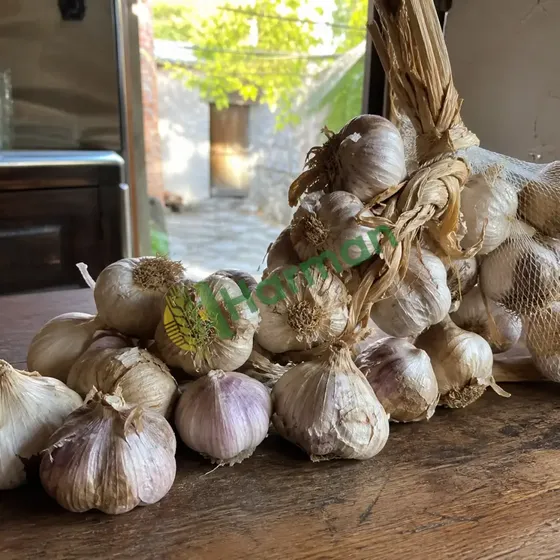
Garlic is a hardy bulb crop in the onion family, grown for the pungent cloves that flavor kitchens across the country. Home gardeners like it because it asks little once established, stores for months after harvest, and lets you grow varieties you rarely find in stores. There are two main types: hardneck kinds that suit colder regions and produce edible flower stalks called scapes, and softneck kinds that store longer and do well in milder areas.
When and how to plant
Garlic is planted from individual cloves in fall, usually a few weeks before the ground freezes, so the roots establish before winter and the plant resumes growth in spring for a summer harvest. Break a bulb into cloves right before planting and set each one pointed end up, about 2 inches deep and 4 to 6 inches apart in rows spaced roughly a foot apart. Choose a spot with full sun and loose, well-drained soil rich in organic matter, since standing water can rot the cloves. Use bulbs sold for planting or from a healthy local crop rather than grocery-store garlic, which may be treated to resist sprouting and may not be suited to your climate.
Care
After planting, water the bed well and spread a few inches of straw or shredded leaf mulch to insulate the cloves over winter and suppress weeds. In spring, pull back some mulch as shoots emerge, keep the bed evenly moist through the active growing season, and feed the soil with compost or a balanced general-purpose plant food worked in as growth picks up. Weed regularly, since garlic competes poorly with weeds, and stop watering about two weeks before harvest so the bulbs can begin to cure in the ground. On hardneck types, snap off the curling scapes once they appear so the plant sends its energy into the bulb, and enjoy the scapes in the kitchen.
Common problems
The most common troubles are fungal rots and molds that thrive in wet, poorly drained soil, along with onion-family pests such as thrips and, in some regions, onion maggots. Prevent problems by rotating garlic and its relatives to a new bed each year, planting in well-drained soil, spacing plants for good airflow, and avoiding overwatering. Start with clean, healthy planting stock and remove any plants that look stunted, yellowed, or soft, since discarding affected bulbs helps keep problems from spreading.
Harvest
Harvest in early to midsummer when the lower leaves have browned but several upper leaves are still green, which signals the bulbs are full but the wrappers are still intact. Loosen the soil and lift the bulbs gently rather than pulling by the tops, then brush off loose dirt without washing them. Cure the whole plants in a dry, shaded, airy spot for two to three weeks, after which you can trim the roots and tops and store the bulbs in a cool, dry, well-ventilated place for months.
Popular Garlic varieties to grow
Choose garlic by hardneck versus softneck type, winter cold, and whether you care most about storage, clove size, or scape production. Hardnecks suit colder areas and offer scapes, while softnecks usually store longer in many US homes.
| Variety | Type | Days | Notes | Best for |
|---|---|---|---|---|
| Music | hardneck, porcelain | - | A very popular hardneck with large cloves, strong flavor, and good cold-climate performance. It is one of the best-known garlics for northern growers. | cold climates, roasting |
| German Extra Hardy | hardneck, porcelain | - | A hardy garlic with large bulbs and robust flavor. It produces good-sized cloves and reliable scapes in cold-winter regions. | northern gardens, strong flavor |
| Chesnok Red | hardneck, purple stripe | - | A widely grown garlic prized for rich flavor and excellent roasting quality. Bulbs are attractive and plants are dependable in many climates. | roasting, gourmet cooking |
| Inchelium Red | softneck, artichoke | - | A well-known softneck heirloom with mild to medium flavor and good storage life. It is popular with gardeners in milder winter regions. | long storage, braiding |
| California Early | softneck, artichoke | - | A standard softneck grown widely in warmer parts of the US. It is productive and stores well under good curing conditions. | warm climates, storage |
| Nootka Rose | softneck, silverskin | - | A silverskin garlic noted for strong flavor and excellent storage. Bulbs are smaller-cloved than some artichoke types but keep well for months. | very long storage, braiding |
| Spanish Roja | hardneck, rocambole | - | A classic rocambole with rich full garlic flavor and easy-to-peel cloves. It is highly regarded for eating quality but stores less long than many softnecks. | fresh kitchen use, heirloom growing |
| Elephant Garlic | large-cloved, not true garlic | - | A leek relative grown like garlic, with very large mild cloves. It is popular for size and gentle flavor rather than classic pungency. | large cloves, mild flavor |
Variety notes are general guidance for US home gardens; local performance varies by climate and season. Availability differs by seed supplier.
Growing Garlic in containers
Garlic grows well in containers if the pot is deep enough and receives full sun. Use a container at least 8 to 10 inches deep with drainage and loose, fertile potting mix, spacing cloves 4 to 6 inches apart. Keep it lightly but consistently moist, feed in fall and early spring with an organic or balanced fertilizer, and choose softneck garlic for milder-winter areas or hardneck garlic where winters are cold.
Watering & feeding Garlic
Garlic generally needs about 1 inch of water per week, including rainfall, during active growth. It is an average water user and is somewhat drought tolerant once established, but drought during bulb formation reduces bulb size. Water deeply at the base when the soil is drying below the surface, and use mulch to hold moisture and moderate winter temperature changes. Yellowing or stunted leaves can indicate drought, while soggy soil and yellow lower leaves can signal excess moisture or rot.
Garlic is a moderate feeder that benefits from compost-rich soil and adequate nitrogen early in the season, with phosphorus and potassium available for root and bulb development. Prepare beds with compost before fall planting and ensure good drainage. Apply compost at planting, then side-dress lightly with nitrogen in early spring and again a few weeks later if plants need it. Stop nitrogen feeding and reduce irrigation as bulbs mature, usually a few weeks before harvest, to help curing and reduce rot risk. Keep beds weed-free because garlic competes poorly with weeds for water and nutrients. Do not overwater late in the season, when drying soil helps the bulbs mature.
Saving Garlic seeds
Garlic is normally saved and propagated from cloves, not botanical seed, and a planted clove produces a clone of the parent. Save the largest, healthiest disease-free bulbs, cure them thoroughly after harvest, and keep intact bulbs dry and well ventilated until planting time. True garlic seed is rarely available because many cultivated garlics are sterile or produce little viable seed, and seedlings will not reliably match the parent. For planting-stock purposes, save cloves from cured bulbs rather than trying to store botanical seed.
Garlic companion plants
Garlic is a useful companion near strawberries, carrots, lettuce, fruit trees, and brassicas because its upright growth uses little space and its scent adds crop diversity. It can be planted around the edges of beds, where it is less likely to shade neighboring crops. Avoid planting garlic near beans and peas when possible, since alliums may inhibit legume growth and the combination is not reliably advantageous. Rotate garlic away from onions, leeks, chives, and other alliums to reduce buildup of shared pests and diseases.
When to plant Garlic near you
Get the exact start-indoors, transplant, and fall planting dates for Garlic at your location.
Frequently asked questions about Garlic
When should I plant garlic in the US?
In most US gardens, garlic is planted in fall, usually a few weeks before the ground freezes. In colder regions this gives roots time to develop before winter, and in mild regions it still benefits from cool-season growth.
How long does garlic take to grow?
Garlic usually takes about 8 to 9 months from fall planting to summer harvest. Spring-planted garlic is possible but often makes smaller bulbs.
How much sun does garlic need?
Garlic needs full sun for best bulb size, ideally 6 to 8 hours or more a day. Well-drained soil is also essential.
Why are my garlic bulbs so small?
Small bulbs often come from planting too late, crowding, poor fertility, inconsistent watering, or harvesting too early. Using large healthy cloves for planting also matters.
How do I know when garlic is ready to harvest?
Harvest when several lower leaves have browned but some upper leaves are still green. Dig carefully, then cure bulbs in a dry airy place out of direct sun.
General guidance for US home gardens. Reference figures are typical values; your exact timing depends on your local frost dates and variety. Page updated Sep 19, 2026.