
Garlic Crop Rotation
Garlic benefits from rotation for many of the same reasons as onions. Repeated planting in one spot can lead to disease buildup and smaller, less reliable harvests.
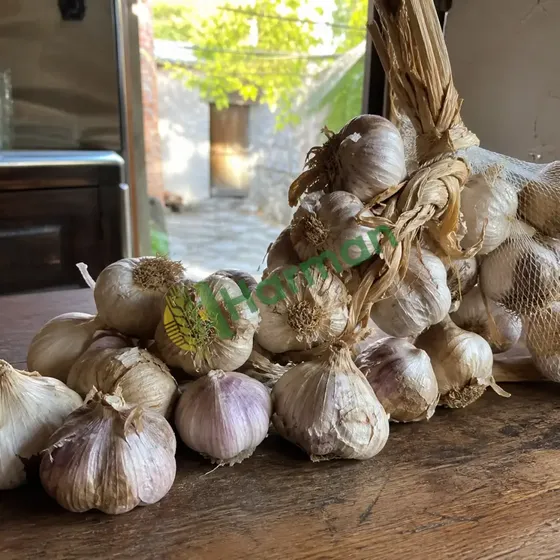
Plant family
Garlic belongs to the allium family. Other common alliums include onions, leeks, shallots, and chives, and they tend to share soilborne diseases and similar nutrient needs.
Why rotate garlic
Garlic can be affected by white rot, basal rot, and other diseases that survive well in garden soil. It also spends a long time in the bed, which can tie up space and make weed management more difficult if rotation is not planned. Planting garlic in the same place too often increases the chance that diseases will persist from one crop to the next. Rotation is especially important because some garlic diseases are hard to get rid of once established.
What to plant after
Garlic grows well after peas, beans, or early harvested vegetables that leave time for fall planting. It also follows leafy greens well if the bed is weed free and soil structure is good.
What to avoid
Avoid planting garlic before or after onions, leeks, shallots, or other alliums. Those crops share the same major disease risks, so they should be treated as one rotation group.
Example rotation
One easy rotation is spring lettuce in year one, fall planted garlic in year two, and beans or beets in year three. Another is peas, then garlic, then broccoli or carrots.
Tips
Choose a bed with good drainage, since wet soil encourages rot problems. Treat alliums as one family block and try to give that block a long break before garlic returns.
General guidance for US home gardens. Adapt to your own crops, soil, and space; your Cooperative Extension office can help with a plan for your area. Page updated Sep 18, 2026.