
The Cost of Growing Garlic
Garlic is often a strong value crop for small farms because it stores well, has a loyal customer base, and can be sold as food, braid stock, or planting stock where allowed. It usually takes less harvest frequency than many summer crops, but it ties up land for a long season. The economics are best when growers maintain quality, cure well, and sell into direct markets that reward local product.
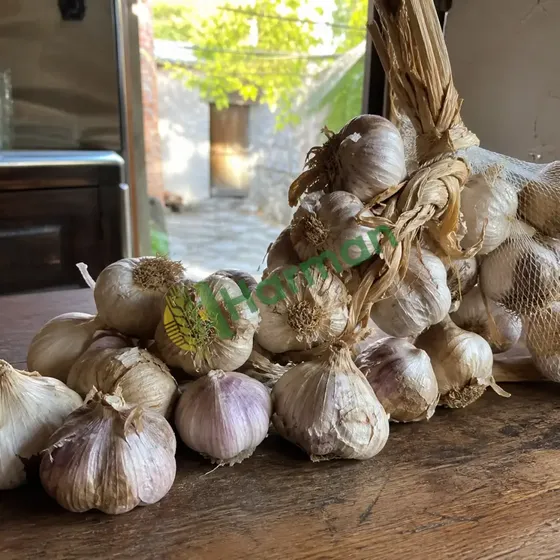
Startup costs
Startup costs are led by seed garlic, which is one of the bigger planting cost categories on a per area basis. Other setup costs include soil preparation, mulch, fertility, and drip irrigation. Curing racks, drying space, and good storage conditions are important if the crop will be sold over many months. Labor for planting by hand can also be a meaningful startup consideration in small scale systems.
Ongoing costs
Recurring costs include weeding, irrigation, mulch management, harvest, curing, trimming, and grading. Labor after harvest can be significant because bulbs are often cleaned and sorted by hand. Storage monitoring matters too, since shrink or spoilage can reduce the value of a crop that looked profitable at harvest.
Yield & how it sells
Garlic yields less by weight than many staple crops, but its value per pound or per bulb is often higher in direct markets. It is commonly sold by the bulb, by the pound, in braid form, or in mixed CSA shares, and some farms may market part of the crop as seed where rules and quality standards allow. The crop's storage life helps growers spread sales rather than selling everything in a short window.
What makes it profitable
Garlic can be attractive for small growers because it combines relatively high unit value with manageable postharvest storage when done well. Profitability is best in farmers markets, CSA programs, and specialty retail where customers care about freshness, variety, and local production. Margins can narrow if planting stock is expensive, weed control is weak, or curing losses are high. It is usually more profitable as a differentiated direct market crop than as a bulk wholesale item.
Financial risks
Major financial risks include winter injury, rot, poor curing, storage losses, and quality problems that lower bulb size or appearance. Because seed cost is high, a poor stand can be expensive. Market prices can also soften if many local growers bring garlic to market at the same time.
Tips to improve returns
Save only high quality planting stock and track which varieties perform best in your soils and climate. Protect curing and storage conditions because postharvest quality is a large part of the crop's value. Work with local Cooperative Extension and your Small Business Development Center on budgets and market assumptions before scaling up.
General planning information, not financial or investment advice, and not a guarantee of profit. For real budgets, work with your Cooperative Extension office and local Small Business Development Center. Page updated Sep 18, 2026.