
Garlic Nutrition & Uses
Garlic is used more as a seasoning than a stand-alone vegetable, but it plays a major role in everyday cooking. It adds depth, savoriness, and aroma to foods across many cuisines.
Nutritional profile
Garlic is usually eaten in small amounts, so serving sizes contribute modest calories. USDA FoodData Central data show that garlic is a good source of vitamin B6 and manganese and also provides vitamin C and selenium. It contains some fiber and carbohydrate, though the amount eaten at one time is usually small.
In the kitchen
Garlic is used raw in dressings and sauces or cooked in soups, pastas, stir-fries, marinades, and roasts. It can be minced, sliced, grated, smashed, or roasted whole until soft and spreadable. Gentle cooking makes it sweeter, while high heat can make it bitter if it browns too far.
Choosing & preparing
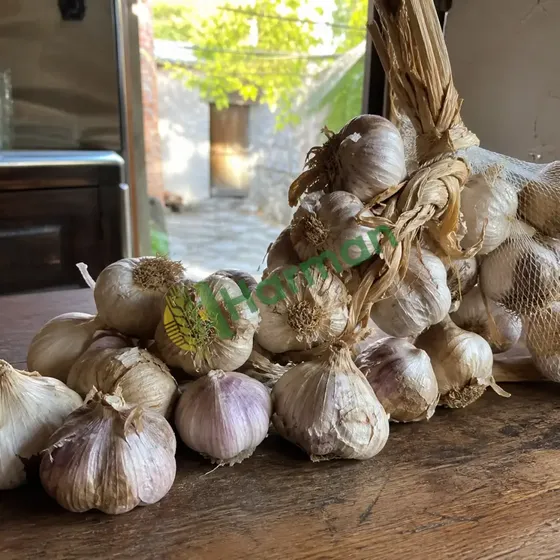
Choose heads that feel firm and dry, with tight skins and plump cloves. Avoid bulbs that feel soft, damp, or heavily sprouted. Separate cloves as needed and peel just before use for best flavor.
Flavor pairings
Garlic pairs well with olive oil, butter, lemon, parsley, tomatoes, beans, greens, chicken, and seafood. It also works naturally with chilies and many warm spices.
Tips
Finely chopped or grated garlic cooks faster than sliced garlic, so add it with care. Roasting softens its sharpness and turns it mellow and sweet. If you have extra cloves, freeze them peeled or turn them into garlic butter.
General food-composition information based on USDA FoodData Central. This is not medical or dietary advice; for personal guidance, consult a registered dietitian or your doctor. Page updated Sep 19, 2026.