
Sweet Corn Nutrition & Uses
Sweet corn is a classic American summer crop and is eaten fresh, frozen, canned, and ground into cornmeal products. It is valued for its sweetness, tenderness, and versatility.
Nutritional profile
Sweet corn is higher in carbohydrate and calories than most non-starchy vegetables. USDA FoodData Central data show that it provides fiber and is a source of thiamin, folate, vitamin C, and potassium. Its kernels contain less water than cucumbers or lettuce, giving it a denser texture and more energy per bite.
In the kitchen
Sweet corn is boiled, steamed, grilled, roasted, cut into salads, and stirred into soups, chowders, salsas, and casseroles. It is served on the cob or as loose kernels in succotash, cornbread fillings, and skillet dishes. Fresh, frozen, and canned corn all have common kitchen uses.
Choosing & preparing
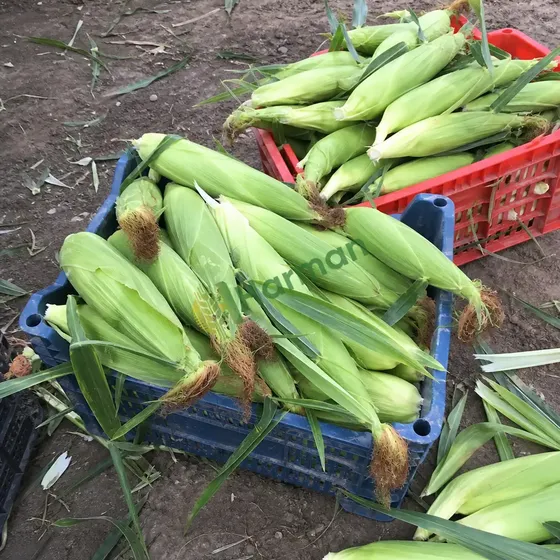
Choose ears with green husks that fit tightly and silks that look moist rather than dry. Kernels should feel plump beneath the husk. Shuck just before cooking when possible for the best texture.
Flavor pairings
Sweet corn pairs well with butter, lime, chilies, basil, tomatoes, black beans, bacon, seafood, and fresh cheeses. Its sweetness also works well with smoky and charred flavors.
Tips
Cook corn soon after buying for the best sweetness and tenderness. Grilling or roasting adds deeper flavor than boiling alone. Save stripped cobs for stock to add a mild corn note.
General food-composition information based on USDA FoodData Central. This is not medical or dietary advice; for personal guidance, consult a registered dietitian or your doctor. Page updated Sep 18, 2026.