
Sweet Corn Crop Rotation
Sweet corn benefits from rotation because it is a heavy feeder and can leave a bed short on nutrients if grown repeatedly in the same place. Rotation also helps manage residue and reduces some disease and insect carryover.
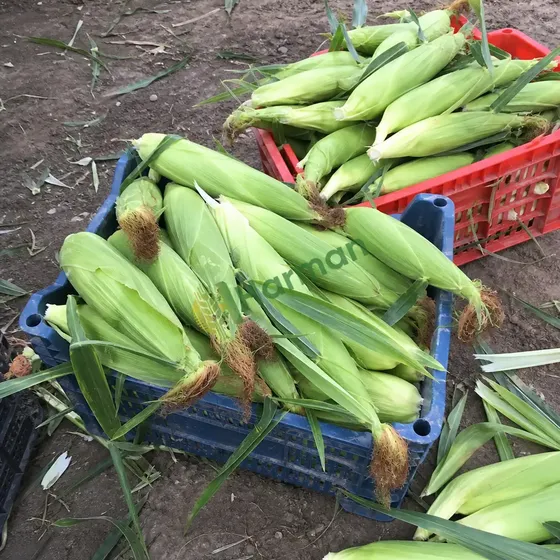
Plant family
Sweet corn is in the grass family. Other common garden relatives are not as numerous in home plots, but corn is often rotated with legumes, brassicas, and cucurbits rather than with close grass-family crops.
Why rotate sweet corn
Corn uses a large amount of nitrogen and produces a lot of stalk and root residue. It can also be affected by stalk rots, smuts, and insect pests that become more troublesome with repeated corn plantings. A bed planted to corn year after year often shows declining fertility and more cleanup problems. Rotation helps spread nutrient demand and improves soil balance.
What to plant after
Corn grows well after peas or beans, especially when those crops help enrich the soil. It is also a good follow-up to leafy greens or root crops if compost or other organic matter was added earlier and the bed is sunny.
What to avoid
Avoid planting sweet corn after another heavy-feeding crop without rebuilding soil fertility. It is also not ideal to follow a crop that leaves a dense mat of residue or aggressive weeds, because young corn needs a clean start.
Example rotation
One useful rotation is beans in year one, sweet corn in year two, and squash in year three. Another is spinach, then corn, followed by broccoli or peas.
Tips
Chop and remove or thoroughly break down corn stalks after harvest so the next crop can be planted into a workable bed. Because corn is hungry, pair rotation with regular additions of organic matter over the long term.
General guidance for US home gardens. Adapt to your own crops, soil, and space; your Cooperative Extension office can help with a plan for your area. Page updated Sep 19, 2026.