
The Cost of Growing Sweet Corn
Sweet corn is a popular summer crop with strong customer recognition, but it usually needs enough scale and timing to make harvest trips worthwhile. For small farms, the economics often work best when sweet corn is a traffic builder that supports broader market sales. It can still be profitable on its own in good local markets, especially with staggered plantings and strong freshness.
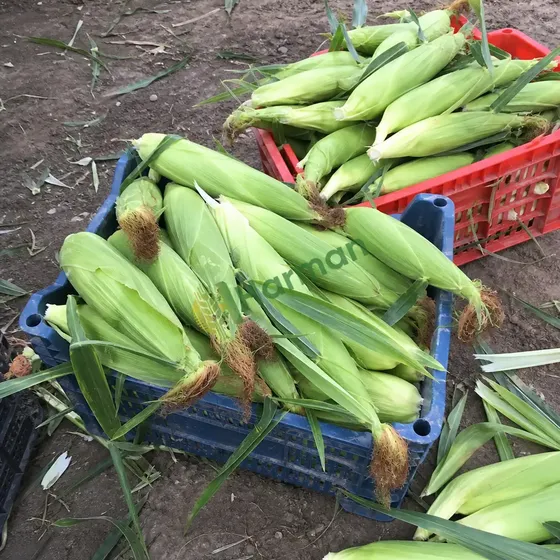
Startup costs
Startup costs include seed, soil preparation, fertility, irrigation where used, and planting equipment or labor. Wildlife exclusion may also be a meaningful setup cost in areas with heavy raccoon or deer pressure. Harvest containers, shade, and cooling tools add value even though sweet corn is often sold quickly. Because pollination matters, block layout and enough planted area are part of the economic setup.
Ongoing costs
Recurring costs include planting successions, fertility, irrigation, weed control, harvest labor, and rapid sales handling. Harvest can become expensive because ears must be picked at the right maturity and sold promptly. Losses from poor pollination, insect damage, or missed harvest timing directly reduce marketable yield.
Yield & how it sells
Sweet corn can produce high yields by ear count or weight when stands are strong and pollination is complete. It is usually sold by the ear, by the dozen, or in bulk display piles at farm stands and markets. The crop often brings the best value when harvested close to sale time, since sweetness and quality decline after picking.
What makes it profitable
Sweet corn can be a good draw crop for farm stands and farmers markets because it brings customers who often buy other items too. On a standalone basis, profitability depends on efficient planting, harvest, and sales volume because unit prices are not always high enough to support very small, labor heavy production. CSAs can absorb moderate volumes, but timing must be tight. Small growers often do best by focusing on freshness, local reputation, and succession timing instead of trying to compete with roadside volume sellers on price alone.
Financial risks
Main risks include wildlife feeding, storm damage, pollination problems, insect injury, and short harvest windows. Sweet corn loses eating quality quickly after harvest, so unsold inventory can become low value fast. Market prices can soften when many local growers have corn at once.
Tips to improve returns
Plant in successions and harvest only what your market can move promptly. Use the crop as part of a larger sales strategy, since it often increases traffic for other products. Build enterprise budgets with your local Cooperative Extension and Small Business Development Center before planting large blocks.
General planning information, not financial or investment advice, and not a guarantee of profit. For real budgets, work with your Cooperative Extension office and local Small Business Development Center. Page updated Sep 18, 2026.