
Sweet Corn Pests & Diseases
Sweet corn is a tall grass that draws a specific set of ear-feeding caterpillars and leaf diseases favored by warm, humid weather. The biggest home-garden battles are corn earworm in the ears and rust or leaf blight on the foliage, plus hungry raccoons and birds as harvest nears.
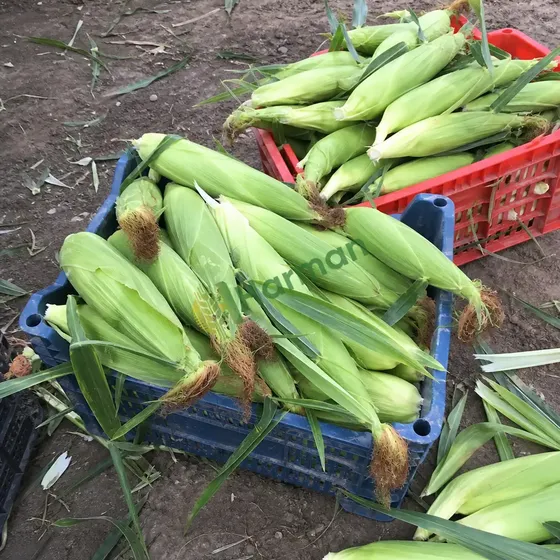
Common Sweet Corn pests
Corn earworm is the number one pest, a striped green-to-brown caterpillar that enters at the silk end of the ear and chews the kernels, leaving frass. European corn borer and fall armyworm caterpillars tunnel into stalks, whorls, and ears, causing broken tassels and shot-hole feeding in the leaves. Corn flea beetles are tiny black jumping beetles that pit young leaves and can spread bacterial wilt, while corn rootworm larvae feed on roots and adults clip silks. Corn leaf aphids cluster in tassels and on new growth, and animal pests like raccoons, crows, squirrels, and deer can strip ripening ears overnight.
Common diseases
Common rust shows up as small, rusty orange to brown raised pustules scattered on both leaf surfaces. Northern corn leaf blight produces long, gray-green to tan cigar-shaped lesions on the leaves, and gray leaf spot makes narrow rectangular lesions bounded by the leaf veins. Common smut forms swollen, silvery-white galls on ears, tassels, or stalks that later rupture into black spores. Stewart's wilt is a bacterial disease spread by corn flea beetles that causes wilting and long pale streaks, and Maize dwarf mosaic virus produces mottled yellow-green streaking and stunting.
Prevention
Rotate corn to a new spot each year and avoid planting where corn or other grasses grew the season before to break pest and disease cycles. Choose disease-resistant and earworm-tolerant varieties, and look for tight-husk types that shield the ear tip. Plant in blocks of short rows rather than one long row for good pollination, and give plants full sun and enough spacing for airflow so leaves dry quickly. Water at the base in the morning, clean up and remove old stalks and debris after harvest, and time plantings so silking does not peak during the worst midsummer earworm flights.
Organic control
Scout early and hand-pick borer and armyworm caterpillars, and knock aphid colonies off with a strong spray of water. For earworm, applying a few drops of horticultural or vegetable oil to the silk channel a few days after silks appear can trap larvae, and Bacillus thuringiensis (Bt) or spinosad applied to fresh silks targets young caterpillars, so read and follow the product label for timing and reapplication. Floating row covers protect young plants from flea beetles, but must be removed at tasseling so pollination can occur. Insecticidal soap or neem oil help with soft-bodied pests, and encouraging beneficial insects such as lady beetles, lacewings, and trichogramma wasps provides natural control. Rust and leaf blights are rarely worth spraying in home gardens, but a copper or sulfur fungicide labeled for corn can be used on valued plantings if disease starts early, again following all label directions.
Scouting & monitoring
From emergence, check young leaves for flea beetle pitting and cutworm damage, and watch whorls for the ragged holes and frass of armyworms and borers. As silks emerge, inspect the tips every few days for earworm eggs and tiny caterpillars, since this is the critical window to act. Scan leaves weekly for the first rust pustules or blight lesions, especially on lower leaves during humid stretches, and check tassels and new growth for aphids. Near harvest, look for signs of raccoons, birds, or squirrels so you can add fencing or netting before losses mount.
Tips
Focus your effort on protecting the silks during the couple of weeks after they emerge, since that is when earworm and disease decisions matter most. A little tolerance for cosmetic tip damage goes a long way, so simply snipping off a chewed ear tip in the kitchen is often easier than chasing perfect ears.
General home-garden IPM guidance, focused on prevention and least-toxic control. Always read and follow the product label for any pesticide, including organic products. Page updated Sep 19, 2026.