
Okra Nutrition & Uses
Okra is a warm-season pod vegetable known for its grassy flavor and distinctive thickening quality when cut. In US kitchens it is a staple in gumbo, and it is also fried, roasted, grilled, stewed, or pickled.
Nutritional profile
According to USDA FoodData Central, okra is low in calories, high in water, and provides fiber along with small amounts of protein and carbohydrate. It contains vitamin C, vitamin K, folate, magnesium, and potassium.
In the kitchen
Okra can be sliced into soups and stews, roasted whole, grilled, breaded and fried, or pickled. It is especially well suited to gumbo, tomato-based skillets, curries, and sheet-pan vegetable roasts.
Choosing & preparing
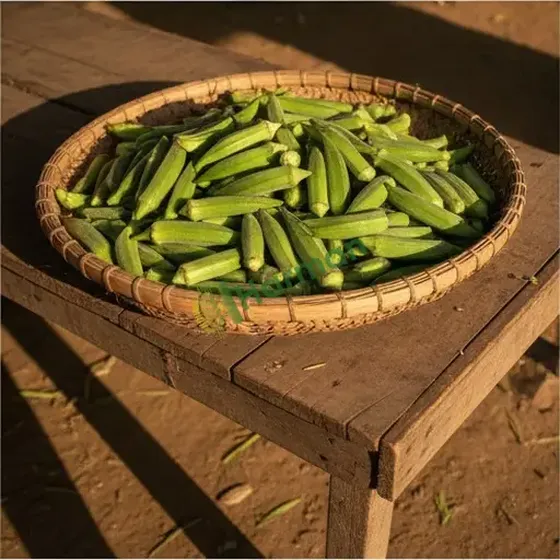
Choose pods that are bright green, firm, and generally small to medium in size. Avoid pods that are limp, blemished, very large, or woody, since older okra can be tough.
Flavor pairings
Okra pairs well with tomatoes, onions, garlic, cornmeal, cayenne, black pepper, thyme, smoked paprika, sausage, shrimp, and rice. It also works well with lemon and vinegar in pickled preparations.
Tips
Keep pods dry and cook them over high heat if you want less slipperiness. Trim the stem end carefully without cutting into the pod too deeply.
General food-composition information based on USDA FoodData Central. This is not medical or dietary advice; for personal guidance, consult a registered dietitian or your doctor. Page updated Sep 18, 2026.