
Growing guide · Vegetable
How to Grow Okra
Days to maturity60 days
Spacing12 in
SeasonWarm-season
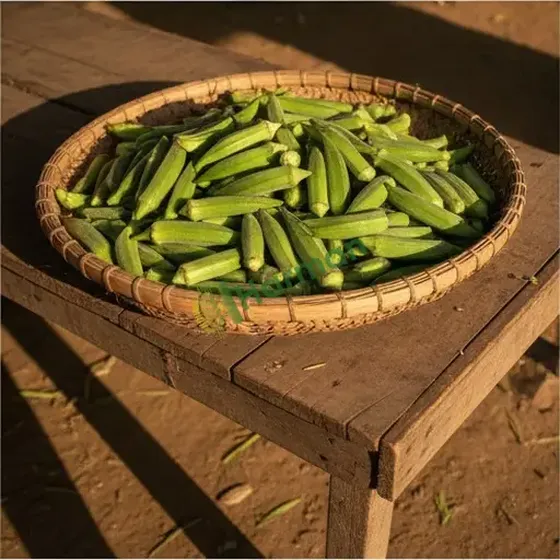
Okra thrives in heat that wilts other crops, making it a Southern garden staple. The pretty hibiscus-like blooms are a bonus.
When and how to plant
Okra loves warmth and will not grow in cold ground, so sow it once summer heat has truly arrived, well after the frost dates above. Soaking the hard seed overnight speeds germination.
Care
Give okra full sun and it tolerates heat and lean soil better than most vegetables. Water during dry spells to keep pods tender.
Common problems
Aphids and stink bugs are the main pests. Regular picking and healthy plants keep them manageable.
Harvest
Pick pods while young and tender, before they turn woody. Harvest every day or two, since okra toughens fast in the heat.
Popular Okra varieties to grow
Choose okra by plant height, pod shape, spine-free pods, and earliness. In much of the US South almost any variety will grow well, but northern gardeners benefit from earlier, compact selections.
| Variety | Type | Days | Notes | Best for |
|---|---|---|---|---|
| Clemson Spineless | spineless classic | 55 to 60 | The standard home-garden okra, known for productive plants and smooth ridged pods. It is widely adapted and easy to find. | all-purpose harvests, southern gardens |
| Emerald | spineless green pod | 58 to 65 | Produces long dark green smooth pods that stay tender when picked at the right stage. Plants are vigorous in warm weather. | fresh cooking, freezing |
| Annie Oakley II | hybrid, compact | 50 to 55 | A relatively early hybrid with a more compact plant and dependable yields. It is useful where summers are shorter or garden space is limited. | short seasons, small gardens |
| Jambalaya | compact hybrid | 50 | A dwarf to compact okra with dark green pods borne on manageable plants. It works well in raised beds and containers. | containers, high-density plantings |
| Burgundy | red pod | 55 to 60 | An attractive okra with reddish stems and pods that add ornamental interest. Pods are best harvested young for tenderness. | edible landscaping, fresh cooking |
| Louisiana Green Velvet | spineless green pod | 60 | A tall heirloom with long velvety green pods and strong warm-weather performance. It is especially popular in southern gardens. | hot climates, traditional cooking |
| Perkins Long Pod | heirloom green pod | 55 to 60 | An old variety with long tapered pods and vigorous plants. It is dependable and well known in warm-region gardens. | southern gardens, heirloom growing |
Variety notes are general guidance for US home gardens; local performance varies by climate and season. Availability differs by seed supplier.
Growing Okra in containers
Okra grows well in containers in hot, sunny climates and needs warmth to produce well. Use one plant per 5-gallon pot at least 12 to 18 inches deep with drainage holes and a loose, fertile potting mix. Water deeply when the top inch dries, feed modestly through the season, and compact varieties such as Cajun Jewel are especially useful for pots.
Watering & feeding Okra
Provide about 1 inch of water per week, increasing toward 1.5 inches in prolonged heat, drought, or sandy soil. Okra is relatively drought tolerant after establishment, though severe dryness can slow growth and make pods less tender. Water deeply at the base when the soil begins to dry below the surface, and mulch to conserve moisture and suppress weeds. Water in the morning when possible, watch for wilting in dry soil as a sign of thirst, and avoid constantly wet soil that can cause yellowing and weak roots.
Okra is a moderate feeder and grows well in loose, well-drained soil enriched with compost before planting. It needs balanced fertility, with enough nitrogen for early growth and adequate phosphorus and potassium for roots, flowering, and pod production. Apply amendments or fertilizer before planting based on a soil test, then side-dress lightly after plants are established if growth is slow or soil is not very fertile. Do not overfeed nitrogen, because it can produce tall leafy plants with fewer pods. Water consistently during flowering and pod production for the best yield. Pick pods frequently, and refresh mulch if summer heat dries the soil quickly.
Saving Okra seeds
Save seed from open-pollinated or heirloom okra, not F1 hybrids, and separate varieties if you want the seed to remain true because insects can cross-pollinate flowers. Leave pods on the plant until they become brown, dry, and brittle, then split them open and remove the hard seeds. Dry seeds further indoors for about a week if necessary, then store them in a cool, dark, dry container. Okra seed commonly remains viable about 2 to 4 years.
Okra companion plants
Plant okra with peppers, basil, sweet alyssum, and bush beans. Okra's height can provide limited afternoon shade in hot climates, while basil and alyssum add flowers for beneficial insects and beans contribute nitrogen. Space okra widely enough that it does not shade sun-loving neighbors. Avoid placing okra in or near black walnut root zones because juglone can harm many vegetable crops, and avoid overcrowding it with tall corn, which competes for sun, water, and nutrients.
When to plant Okra near you
Get the exact start-indoors, transplant, and fall planting dates for Okra at your location.
Frequently asked questions about Okra
When should I plant okra?
Plant okra after the last frost, once the soil is warm and the weather is consistently hot. It grows best in summer heat and dislikes cold soil.
How long does okra take to grow?
Okra usually begins producing in about 50 to 65 days from planting. Hot weather helps it grow quickly.
How much sun does okra need?
Okra needs full sun, at least 6 to 8 hours a day. It handles heat well and often thrives in the hottest part of summer.
How far apart should okra be planted?
Space okra about 12 to 18 inches apart, with rows 3 feet apart or so. Thin seedlings early so plants have room to develop.
Can okra grow in containers?
Yes, especially compact varieties. Use a deep container because okra develops a strong root system and can grow fairly tall.
When should I harvest okra pods?
Pick pods when they are young and tender, usually 2 to 4 inches long depending on the variety. Harvest every day or two because pods become tough quickly.
General guidance for US home gardens. Reference figures are typical values; your exact timing depends on your local frost dates and variety. Page updated Sep 18, 2026.