
Kale Nutrition & Uses
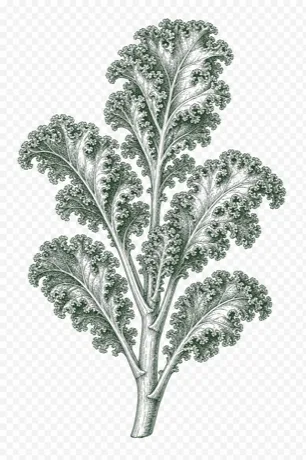
Kale is a sturdy leafy green with a fuller texture than spinach and a savory, slightly earthy flavor. In US kitchens it is used raw in salads, sauteed, added to soups, or baked into crispy chips.
Nutritional profile
According to USDA FoodData Central, kale is low in calories, high in water, and provides fiber along with small amounts of protein. It contains vitamin K, vitamin C, vitamin A compounds, folate, calcium, and manganese.
In the kitchen
Kale can be chopped for salads, sauteed with garlic, simmered in soups, braised, or roasted into chips. It is common in bean soups, pasta dishes, grain bowls, and blended green sauces.
Choosing & preparing
Choose bunches with firm stems and richly colored leaves that look fresh and crisp. Avoid leaves that are yellowing, limp, torn, or drying out at the edges.
Flavor pairings
Kale pairs well with garlic, lemon, red pepper flakes, olive oil, apples, raisins, white beans, potatoes, sausage, bacon, Parmesan, and pecorino. It also matches well with tahini and mustard dressings.
Tips
For raw salads, massage chopped kale with dressing to soften the texture. Remove thick center ribs if they seem tough for the recipe.
General food-composition information based on USDA FoodData Central. This is not medical or dietary advice; for personal guidance, consult a registered dietitian or your doctor. Page updated Sep 18, 2026.