
Growing guide · Vegetable
How to Grow Kale
Days to maturity55 days
Spacing18 in
SeasonCool-season
Start indoors6 wk pre-frost
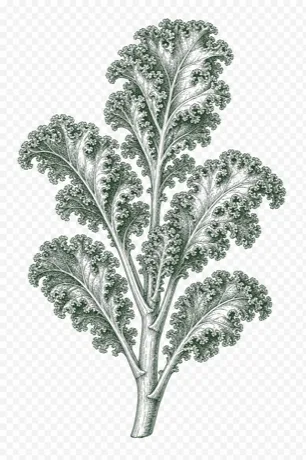
Kale is tough, productive, and only gets sweeter after a frost. It stands in the garden long after tender crops have given up.
When and how to plant
A hardy cool-season green, kale can go out before the last frost, as the dates above show, and shines as a fall and winter crop. It handles cold that would flatten most vegetables.
Care
Give kale full sun to part shade, rich soil, and steady water for the most tender leaves. It grows steadily with little fuss.
Common problems
Cabbage worms and aphids are the usual pests. Picking off worms and a light cover on young plants keep damage low.
Harvest
Pick the lower, outer leaves and let the center keep growing for a long harvest. A touch of frost makes the leaves noticeably sweeter.
Popular Kale varieties to grow
Kale varieties differ most in leaf shape, texture, cold hardiness, and speed of regrowth after picking. For home gardens, choose between tender baby-leaf types, heavily curled kinds, and broad-leaved strains for cooking.
| Variety | Type | Days | Notes | Best for |
|---|---|---|---|---|
| Winterbor | curly, hybrid | 55-65 | A very popular curly kale with tight blue-green leaves and strong cold tolerance. Plants are vigorous, attractive, and productive over a long season. | full-size bunches, cold-season harvests |
| Lacinato | dinosaur, heirloom | 60-75 | Also sold as Tuscan kale, this variety has dark, straplike blistered leaves and rich flavor. Texture is more tender than many curly types when harvested young. | cooking, baby leaf, Italian-style gardens |
| Red Russian | flat leaf, heirloom | 50-60 | Red Russian has oak-like blue-green leaves with purple stems and a relatively mild flavor. It grows quickly and is especially good for repeated young harvests. | baby greens, quick cool-season crops |
| Redbor | curly, purple hybrid | 50-60 | A deeply curled purple kale grown as much for appearance as for eating. Color intensifies in cool weather, and plants hold well in the garden. | ornamental edible beds, mixed harvests |
| Dwarf Blue Curled Scotch | curly, heirloom | 55-65 | A compact old favorite with finely curled blue-green leaves. It is hardy, easy to grow, and well suited to smaller beds. | small gardens, steady kitchen harvests |
| Premier | smooth leaf, hybrid | 50-60 | Premier is known for fast growth and broad, smooth leaves that are easy to harvest. It stands up well in cool weather and rebounds after cutting. | fast greens, repeated picking |
Variety notes are general guidance for US home gardens; local performance varies by climate and season. Availability differs by seed supplier.
Growing Kale in containers
Kale is a reliable container crop and can be harvested over a long season. Use one plant per 3 to 5-gallon pot at least 10 to 12 inches deep, with drainage holes and rich potting mix. Water when the top inch dries, feed periodically, and choose compact curly kale or dwarf lacinato types for smaller spaces.
Watering & feeding Kale
Provide about 1 to 1.5 inches of water per week, depending on heat, rainfall, and soil type. Kale is moderately thirsty rather than drought tolerant, although established plants are more resilient than lettuce. Water deeply at the base to encourage a strong root system, allowing the surface to dry slightly between waterings. Morning watering and mulch help reduce disease and conserve moisture, while drooping leaves suggest thirst and yellow lower leaves with soggy soil suggest overwatering.
Kale is a moderate feeder that grows well in compost-enriched soil. Nitrogen is especially important for leafy growth, along with sufficient phosphorus and potassium from healthy garden soil. Add compost before planting and give a light feeding at planting if soil fertility is limited. Side-dress once or twice during the season after repeated harvests, but avoid excessive nitrogen that can cause overly soft growth. Harvest lower leaves first and keep the growing center intact. Refresh mulch after hot spells to moderate soil moisture and temperature.
Saving Kale seeds
Save seed from open-pollinated or heirloom kale, not F1 hybrids, and isolate it from other flowering brassicas because they can cross-pollinate. Kale is usually biennial, so overwinter healthy plants or replant selected roots, then allow the second-year flower pods to turn tan and dry. Harvest pods before they shatter, thresh out the seeds, dry them thoroughly, and store them cool and dry for about 4 to 5 years.
Kale companion plants
Good companions for kale include dill, cilantro, thyme, and calendula, especially when some are allowed to flower. These plants provide nectar or cover for beneficial insects, and diverse plantings can help reduce concentrated pest pressure around brassicas. Avoid growing kale in a tight block with broccoli, cabbage, cauliflower, or other brassicas, because they share cabbage worms, flea beetles, aphids, and diseases such as clubroot.
When to plant Kale near you
Get the exact start-indoors, transplant, and fall planting dates for Kale at your location.
Frequently asked questions about Kale
When should I plant kale?
Plant kale in early spring or late summer for fall harvest. It is a cool-season crop and often improves in flavor after light frost.
How long does kale take to grow?
Most kale is ready in about 50 to 70 days, though baby leaves can be harvested much earlier. Outer leaves can be picked as plants continue growing.
How much sun does kale need?
Kale grows best with full sun in cool conditions, but it also tolerates partial shade. In warmer climates, afternoon shade can help reduce stress.
How far apart should kale be planted?
Space kale about 12 to 18 inches apart, depending on the variety and how large you want plants to get. Wider spacing gives better airflow and bigger leaves.
Can kale be grown in containers?
Yes, kale does well in containers, especially compact varieties. Use a pot large enough to keep roots cool and moisture steady.
Why are my kale leaves turning yellow?
Yellowing can come from age, inconsistent watering, nutrient deficiency, or disease pressure. Remove older yellow leaves and check drainage and fertility first.
General guidance for US home gardens. Reference figures are typical values; your exact timing depends on your local frost dates and variety. Page updated Sep 18, 2026.