
Cabbage Nutrition & Uses
Cabbage is a sturdy, affordable vegetable that works in both raw and cooked dishes. It can be crisp and peppery when fresh or soft and mellow after cooking.
Nutritional profile
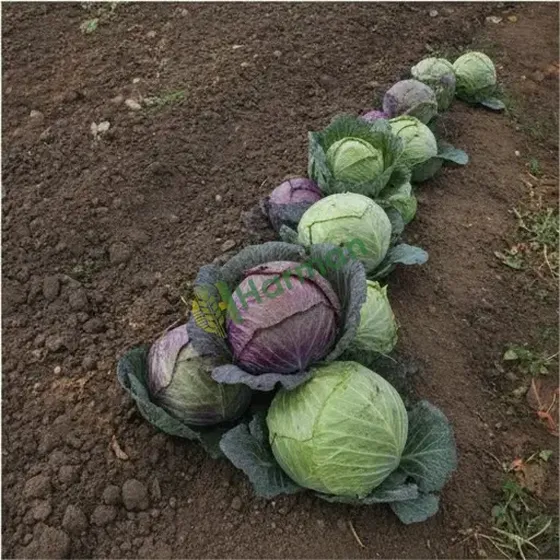
Cabbage is low in calories and high in water. USDA FoodData Central data show that it is a good source of vitamin C and vitamin K and also provides folate and fiber. Green and red cabbage are both fairly light in calories, with most of their weight coming from water.
In the kitchen
Cabbage is used raw in slaws and salads and cooked in soups, stir-fries, braises, sautés, and stuffed dishes. It can be roasted in wedges, added to noodle dishes, or fermented into sauerkraut. Red cabbage is often cooked with vinegar or apples, while green cabbage is common in slaw and skillet dishes.
Choosing & preparing
Choose heads that feel dense and firm, with crisp leaves and no widespread browning or slime. Outer leaves may be rough, but the inside should look fresh and tight. Rinse and remove damaged outer leaves before cutting.
Flavor pairings
Cabbage pairs well with apples, vinegar, mustard, onions, pork, caraway, dill, butter, and potatoes. It also works well with chilies and soy-based sauces.
Tips
Quick cooking keeps cabbage crisper, while long cooking makes it softer and sweeter. Salt can help draw moisture from shredded cabbage for slaw. Save the core and outer leaves for stock or soup if they are still sound.
General food-composition information based on USDA FoodData Central. This is not medical or dietary advice; for personal guidance, consult a registered dietitian or your doctor. Page updated Sep 18, 2026.