
Cabbage Crop Rotation
Cabbage should be rotated carefully because brassica diseases can persist in soil and spread through a garden over time. Moving cabbage to a different bed is a key step in keeping heads healthy and firm.
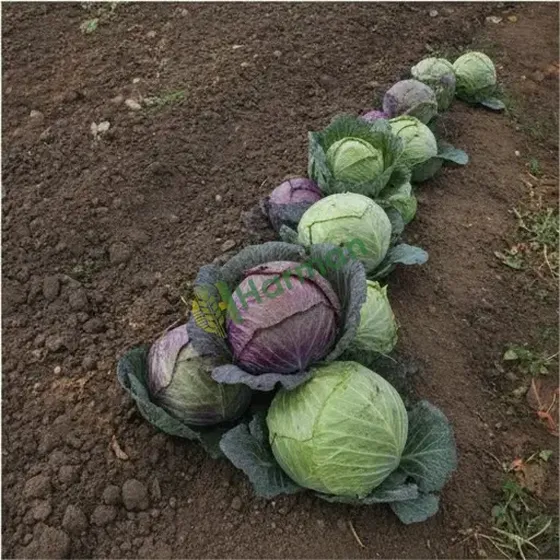
Plant family
Cabbage is a brassica, also called a cole crop. Common relatives include broccoli, cauliflower, kale, Brussels sprouts, radishes, turnips, and mustard greens.
Why rotate cabbage
Cabbage can leave behind clubroot, black rot, downy mildew, and other disease problems that affect brassicas. It also uses substantial nutrients, especially nitrogen, during head formation. Repeated planting in the same bed or after related crops increases the chance of disease carryover and weaker growth. Rotation is one of the most important cultural practices for brassicas.
What to plant after
Cabbage grows well after peas or beans because they can leave the soil in good condition for a hungry crop. It also follows onions, carrots, or lettuce well when the bed has good fertility and drainage.
What to avoid
Do not plant cabbage before or after broccoli, cauliflower, kale, radishes, or other brassicas. These crops share major diseases and many insect pests, so they should be treated as one rotation group.
Example rotation
A simple rotation is peas in year one, cabbage in year two, and beets or beans in year three. Another option is onions, then cabbage, followed by carrots or cucumbers.
Tips
If clubroot or another serious brassica disease has appeared, extend the break from brassicas as long as possible. Pull and remove old stalks and roots after harvest so less infected residue remains in the soil.
General guidance for US home gardens. Adapt to your own crops, soil, and space; your Cooperative Extension office can help with a plan for your area. Page updated Sep 18, 2026.